
Donec efficitur, ligula ut lacinia
viverra, lorem lacus.
Donec efficitur, ligula ut lacinia
viverra, lorem lacus.
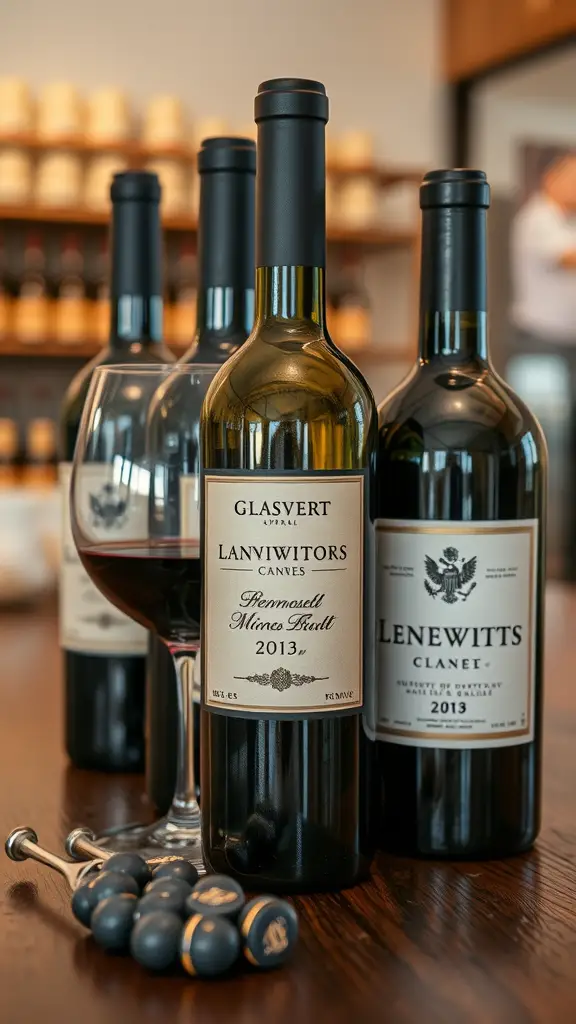
Understanding wine labels can seem daunting at first, but with a little knowledge, you can enhance your wine-buying experience. Key elements on a wine label can provide valuable insights about the contents of the bottle. Whether you are a novice or an experienced wine enthusiast, knowing what to look for is essential. Below are the primary components that will help guide you through the world of wine labels.
One of the first things you’ll notice on a wine label is the name of the region or vineyard where the wine is produced. This information is crucial as it informs you about the climate, soil, and grape varieties used, all of which significantly affect the wine’s character. Geographical indicators such as “Bordeaux,” “Napa Valley,” or “Tuscany” give you clues about flavor profiles and quality.
Following the location, you may find the term “appellation.” This is a legal designation that specifies where the grapes are grown. Regions with strict regulations usually produce higher-quality wines. For example, wines labeled “Chablis” must be made from Chardonnay grapes grown in the Chablis region of France, thus giving you a clearer expectation of taste.
Check Details Here: https://sip-city.com/decoding-wine-labels:-what-to-look-for
Next, take note of the varietal, which tells you the type of grape used in the wine. Common varietals include Cabernet Sauvignon, Merlot, Chardonnay, and Pinot Noir. When a varietal is stated, you can generally expect standard taste characteristics associated with that grape. For instance, a Pinot Noir is likely to be light and fruity, while a Cabernet Sauvignon may present bold and tannic flavors.
The vintage year indicates the year the grapes were harvested. This detail is significant because weather conditions vary each year, impacting the quality and flavor of the wine. In general, a wine from a good vintage year is often more desirable and may exhibit exceptional characteristics.
Check Details Here: https://sip-city.com/decoding-wine-labels:-what-to-look-for
The alcohol by volume (ABV) percentage is an essential detail for any wine label. It helps you understand the strength of the wine. Typically, standard wines have an ABV ranging from 12% to 15%. However, higher ABV wines are often richer and can sometimes overpower the palate.
While not always explicitly labeled, the sweetness of the wine can usually be inferred from the varietal and region. For example, wines labeled “dessert” or “late harvest” are typically sweeter. Additionally, terms like “dry” and “off-dry” denote varying levels of sweetness. If you prefer crisp and refreshing whites, seek out labels that indicate “dry.”
Check Details Here: https://sip-city.com/decoding-wine-labels:-what-to-look-for
The balance of tannins and acidity plays a crucial role in how the wine will taste. Tannins come from grape skins and seeds, giving red wines a more complex mouthfeel. A wine’s acidity contributes to its freshness and ability to pair with food. Good labels often hint at these qualities, advising whether a wine is best enjoyed with a meal or on its own.
Many wine labels include tasting notes or winemaker comments. This section may describe flavor notes such as berry, oak, or spice. Reading this can provide a more in-depth understanding of what to expect, allowing you to make an informed choice that aligns with your palate preferences.
Check Details Here: https://sip-city.com/decoding-wine-labels:-what-to-look-for
Look for sustainability certifications or labels that indicate organic or biodynamic practices. Many consumers are increasingly interested in the environmental impact of their wine choices. Labels that mention organic farming methods or sustainability efforts can guide ethical purchasing decisions.
Decoding wine labels is a helpful skill that can deepen your appreciation for the beverage. By focusing on these key elements, you will not only enhance your wine knowledge but also improve your shopping decisions. So the next time you’re at a store or attending a wine tasting, keep these aspects in mind to pick the perfect bottle for your palate.
When selecting a wine, understanding the importance of region and terroir can significantly enhance your experience. The term ‘terroir’ encompasses the unique climate, soil, and landscape of a specific area where grapes are grown. This connection between the land and the wine can influence flavor profiles, aromas, and overall quality. To help you navigate this fascinating aspect of wine, here are the key points to focus on.
Check Details Here: https://sip-city.com/decoding-wine-labels:-what-to-look-for
Wine regions, known as appellations, are designated areas recognized for producing specific types of wine. Each region offers its own characteristics based on a multitude of factors:
Each of these factors interplays to create a distinctive character in the wine from that area. When you choose a wine, taking into account its regional origins can give insight into its taste and structure.
Check Details Here: https://sip-city.com/decoding-wine-labels:-what-to-look-for
Terroir is a complex concept but essential to grasp for better wine selection. It isn’t just about where the grapes come from, but how those grapes interact with their environment. Here are some elements that contribute to a wine’s terroir:
By appreciating the role of terroir, you become more adept at selecting wines that align with your flavor preferences.
Check Details Here: https://sip-city.com/decoding-wine-labels:-what-to-look-for
If you’re unsure how to incorporate region and terroir into your wine selection, here are some tips to guide you:
Understanding the heritage of your wine will not only guide you in making informed choices, but it will also enrich your wine-tasting experience. You’ll gain an appreciation for not just what you are drinking, but where it comes from.
Check Details Here: https://sip-city.com/decoding-wine-labels:-what-to-look-for
A wine’s region and terroir form the backbone of its identity and flavor. By focusing on these elements during selection, you empower yourself to choose wines that truly reflect your taste. Exploring these aspects opens doors to a world of flavors and experiences, enhancing every sip you take.
So, the next time you stroll through the wine aisle or visit a vineyard, remember the significance of region and terroir. They are not just labels; they are stories poured into every glass.
Understanding wine labels is essential for making informed choices when selecting a bottle. By focusing on the key elements of a wine label, such as the producer’s name, grape variety, vintage, and alcohol content, you can get a clearer picture of what to expect in terms of taste and quality. Remember, not all wines are created equal, and the label can be your first clue to a satisfying experience.
Check Details Here: https://sip-city.com/decoding-wine-labels:-what-to-look-for
The role of region and terroir cannot be overstated. Each wine region has its unique climate, soil, and tradition, all of which influence the characteristics of the wine. For instance, a Pinot Noir from the cool climate of Burgundy will taste quite different from one produced in California’s warmer Napa Valley. By paying attention to the region listed on the label, you cultivate a better understanding of whether a wine will suit your palate.
When you combine knowledge of these key elements with an appreciation for the impact of terroir, you empower yourself to explore the world of wine more confidently. Next time you stand before a wall of wine bottles, you’ll feel less overwhelmed and more equipped to make choices that enhance your dining experiences. Celebrate the discovery process, take notes, and remember that decoding wine labels is not just about finding the perfect bottle; it’s about enjoying the journey through the diverse and rich landscapes of flavor wines have to offer. Cheers to your newfound expertise!
Check Details Here: https://sip-city.com/decoding-wine-labels:-what-to-look-for
