
Donec efficitur, ligula ut lacinia
viverra, lorem lacus.
Donec efficitur, ligula ut lacinia
viverra, lorem lacus.
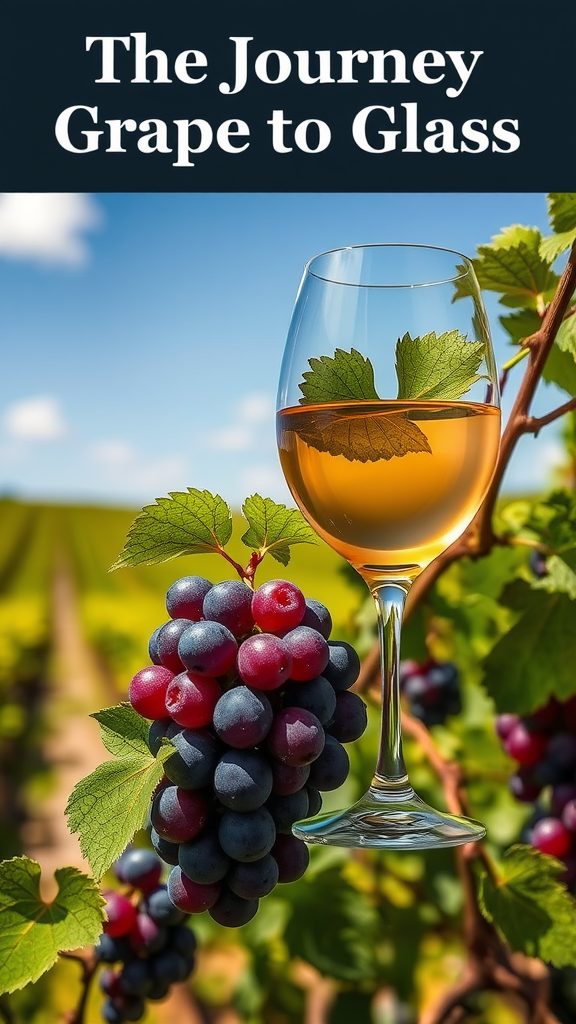
Winemaking is a fascinating process that involves transforming fresh grapes into the delightful beverages many enjoy. The journey from grape to glass takes several steps, each vital to producing high-quality wine. Let’s explore this exciting adventure together.
The first step in winemaking is harvesting the grapes. This usually happens in late summer or early fall, depending on the grape variety and the climate. Many vineyards hand-pick grapes to select only the best fruit, while some may use machines for efficiency. Choosing the right time is crucial, as grapes need to have the right balance of sweetness and acidity.
Once harvested, the grapes must be processed. The first two actions in this stage are crushing and destemming. Crushing gently breaks the grapes to release their juice, while destemming removes the stems. This combination helps create a mixture called “must,” which contains the juice, skins, and seeds.
Check Details Here: https://sip-city.com/the-journey-from-grape-to-glass:-winemaking-basics
Next comes fermentation, the magical transformation from grape juice to wine. Yeast is added to the must, allowing it to convert sugars into alcohol and carbon dioxide. This process usually takes between one to three weeks. During fermentation, it’s essential to monitor the temperature to ensure optimal yeast activity. Cooler temperatures are typically favored for white wines, while red wines may ferment at warmer temperatures.
For red wines, maceration is an important step that occurs simultaneously with fermentation. This process allows the skins to remain in contact with the juice, extracting color, tannins, and flavors. The longer the skin contact, the bolder the wine will be. For white wines, the skins are usually removed right after crushing, which results in a lighter, crisper drink.
Check Details Here: https://sip-city.com/the-journey-from-grape-to-glass:-winemaking-basics
After fermentation, the wine is ready for pressing. This step separates the liquid from the skins, seeds, and other solids. The pressing can be done using a traditional basket press or modern pneumatic press. The goal is to extract as much juice as possible without adding any unwanted bitterness from the seeds.
Once pressed, the wine is typically aged in barrels or stainless steel tanks. This maturation process allows flavors to develop and soften. Aging time varies depending on the type of wine; some may only require a few months, while others, like bold reds, may need several years. During maturation, winemakers often taste their wines to ensure the desired flavor profile is achieved.
Check Details Here: https://sip-city.com/the-journey-from-grape-to-glass:-winemaking-basics
In some cases, winemakers blend different wines to create a balanced final product. This process can enhance flavors and complexities in the wine. Blending helps achieve the desired taste and aroma, allowing for unique combinations tailored to the winemaker’s vision. This art requires skill and experience, as the right balance can significantly impact the final product.
Before bottling, the wine often undergoes filtration to remove any remaining solids or impurities. This step ensures clarity and stability, resulting in a clean final product. After filtering, it’s time for bottling. Winemakers carefully fill each bottle using automatic or manual methods, ensuring that everything is done hygienically to preserve the wine’s integrity.
Check Details Here: https://sip-city.com/the-journey-from-grape-to-glass:-winemaking-basics
Once the bottles are sealed, they are labeled and prepared for distribution. Each wine label tells a story, featuring details about the vineyard, grape variety, and vintage. After this, the bottles make their way into stores and restaurants, where consumers can enjoy the rich flavors, aromas, and textures crafted through a meticulous and skilled process.
However, the journey doesn’t end with bottling. The wine continues to evolve even in the bottle, developing more complex flavors over time. Whether you enjoy a young, vibrant wine or a well-aged vintage, every sip carries with it the artistry of the winemaking process.
Check Details Here: https://sip-city.com/the-journey-from-grape-to-glass:-winemaking-basics
Understanding the journey from grape to glass enhances your wine experience and gives you a deeper appreciation of what goes into each bottle. So, the next time you savor a glass, you’ll know the hard work and passion that transformed those grapes into a delightful liquid experience.
When exploring the fascinating world of wine, one cannot overlook the significant role grape types play in shaping the flavors and quality of the final product. Different varietals bring unique characteristics and complexities to wine, creating a wide array of tastes and experiences for wine lovers. Understanding how these grape distinctions work can enhance your appreciation of each bottle.
The journey of wine starts with the grapevine, where various factors such as climate, soil, and farming practices all impact grape quality and taste. Each grape varietal carries its own signature traits, influenced by its unique genetic makeup. The following are some of the most popular grape types and how they affect wine flavor profiles:
Check Details Here: https://sip-city.com/the-journey-from-grape-to-glass:-winemaking-basics
As you explore various varietals, the growing region also plays a critical role in influencing the final flavor profile of the wine. Terroir—an expression that embodies the geography, geology, and climate of a specific place—helps define how grapes express themselves. For example, grapes grown in Napa Valley might exhibit more ripe fruit flavors than the same varietals grown in cooler climates like Oregon.
The winemaking process can also impact the characteristics of the wine. Techniques such as fermentation temperature, aging in different types of barrels, and blending with other varietals can further refine and enhance the flavors. Understanding these methods can provide richer insights into why certain wines taste the way they do, thus improving your tasting experience.
Check Details Here: https://sip-city.com/the-journey-from-grape-to-glass:-winemaking-basics
Next time you enjoy a glass of wine, remember the varietal that’s behind that unique flavor. The complexity that each grape brings not only influences the taste but also the overall quality. Here are some tips when choosing a wine based on grape varietals:
Understanding how grape types influence wine flavor and quality can transform the way you enjoy wine. Next time you find yourself in a wine shop or at a tasting event, take a moment to appreciate the varietal behind each bottle and the journey it takes from the vine to your glass. Embrace the variety and let your wine journey unfold, one sip at a time.
The fascinating journey from grape to glass is a testament to the art and science of winemaking. Each stage of this process contributes to the unique characteristics found in every bottle of wine. Understanding how grapes transform into wine not only highlights the labor and knowledge involved but also enhances your appreciation of the final product.
Check Details Here: https://sip-city.com/the-journey-from-grape-to-glass:-winemaking-basics
As you explore different varietals, you begin to see how grape types profoundly influence flavor and quality. From the sweet notes of Riesling to the boldness of Cabernet Sauvignon, each grape variety reflects its terroir—the unique environment where it is grown. This interplay between the grape’s inherent traits and the winemaker’s choices leads to a diverse world of wines, each with a story to tell.
Whether you’re a casual wine drinker or an aficionado, knowing the intricacies of the winemaking process enriches your experience. It allows you to select wines that suit your palate better, pairing them perfectly with meals or occasions. As you sip your favorite glass, remember the meticulous journey of those grapes—the careful cultivation, the expert blending, and the passion of the growers and vintners. This appreciation for the journey can transform a simple glass of wine into a deeper connection with the land and the people behind it. Enjoy your exploration of the world of wine, and may each sip bring you closer to the story behind it.
Check Details Here: https://sip-city.com/the-journey-from-grape-to-glass:-winemaking-basics
