
Donec efficitur, ligula ut lacinia
viverra, lorem lacus.
Donec efficitur, ligula ut lacinia
viverra, lorem lacus.
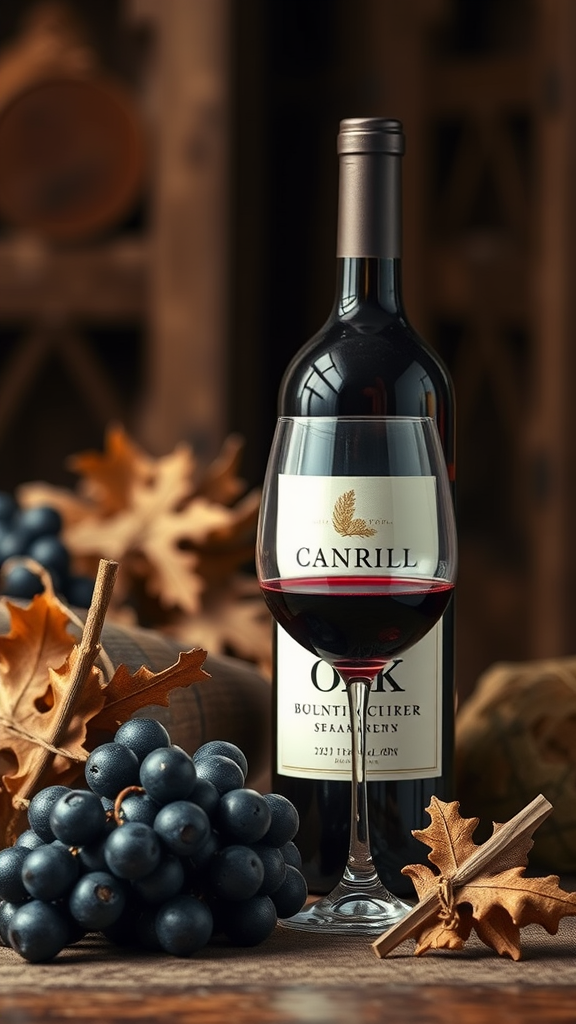
When it comes to winemaking, the materials used during the aging process play a crucial role in determining the wine’s final character. One of the most influential components is oak. Oak barrels are the traditional choice for aging various types of wine, and understanding how oak shapes flavor and texture can deepen your appreciation for your favorite bottles.
Oak wood comes from different species, each contributing unique characteristics to the wine. The most common types used in winemaking are American oak and French oak. They have distinct profiles that can significantly alter the wine’s taste.
The choice of oak can also influence the wine’s tannin structure. Tannins are compounds that can create a drying sensation in your mouth. When wine is aged in oak, it can absorb these tannins, leading to a softer mouthfeel and better integration of flavors. This is especially true for red wines, which can often be tannic and aggressive straight out of fermentation. By aging in oak, winemakers can soften these tannins, resulting in a more balanced and harmonious wine.
Check Details Here: https://sip-city.com/the-role-of-oak-in-winemaking:-impact-on-flavor-and-texture
Another essential aspect is the level of toasting the oak barrels undergo. Toasting refers to the process where barrels are heated to caramelize the sugars in the wood. This affects the flavor compounds that interact with the wine. Different levels of toasting—light, medium, or heavy—yield different flavor profiles:
Additionally, the age of the barrel plays a pivotal role in how much influence it has on the wine. New barrels impart stronger flavors compared to older ones, which may offer more subtle complexities. Winemakers often choose between new and used barrels based on the desired outcome for their wine. New barrels are especially popular for bold reds and chardonnays, while older barrels may be used for delicate varietals like Pinot Noir.
Check Details Here: https://sip-city.com/the-role-of-oak-in-winemaking:-impact-on-flavor-and-texture
Beyond flavor, oak also enhances the texture of wine. The slow oxygen transfer through the wood helps to soften and integrate the wine’s components, creating a smoother mouthfeel. For white wines, especially those aged in oak, this can lead to a creamier texture. For red wines, it can enhance the wine’s body and richness, often resulting in a wine that feels more opulent on the palate.
Moreover, oak aging can add complexity to the wine’s aromatics. The subtle interplay between the wine and the barrel can produce an array of aromas that might include everything from spices to sweet notes. These complexities invite you to explore the wine further, making the tasting experience more fulfilling.
Check Details Here: https://sip-city.com/the-role-of-oak-in-winemaking:-impact-on-flavor-and-texture
Some winemakers are even experimenting with alternative aging methods, such as using oak chips or staves in stainless steel tanks, to mimic the effects of barrel aging without the substantial cost. While these methods can add oak characteristics, they might not replicate the same subtle integration found in traditional barrel aging.
Understanding how oak influences the flavor and texture of wine can elevate your tasting experience. The varietals you choose and the aging methods employed shape the unique character of each bottle. Whether you prefer the richness imparted by American oak or the elegance of French oak, recognizing these elements will enhance your appreciation of this age-old craft.
Check Details Here: https://sip-city.com/the-role-of-oak-in-winemaking:-impact-on-flavor-and-texture
So, next time you pour a glass, take a moment to consider the role oak has played in crafting the wine before you. The choice of oak can completely alter the profile, making the experience rich and exciting.
Oak barrels have played a crucial role in winemaking for centuries. Each type of oak possesses unique characteristics that can significantly influence the flavor and texture of the wine, making it essential for winemakers to select the right barrel for their needs. Let’s delve into the different varieties of oak, their properties, and how they shape the wine we drink.
Winemakers primarily use two types of oak: Quercus robur (European oak) and Quercus alba (American oak). Both offer distinct advantages and impart different qualities to the wine. Understanding these differences can help in selecting the ideal barrel for any wine variety.
Check Details Here: https://sip-city.com/the-role-of-oak-in-winemaking:-impact-on-flavor-and-texture
European oak barrels are revered for their tighter grain and more complex flavor profile. Some characteristics include:
American oak is known for its pronounced vanilla and coconut flavors. Key features include:
Check Details Here: https://sip-city.com/the-role-of-oak-in-winemaking:-impact-on-flavor-and-texture
The choice between European and American oak barrels can significantly affect the wine’s overall character. Here’s how the type of oak impacts various aspects of the wine:
During the aging process, compounds within the oak interact with the wine, enriching it with flavors and aromas. European oak often introduces earthy, herbal notes alongside spice, while American oak enhances sweeter, fruit-forward profiles. The barrel’s toast level further modifies these flavors, allowing winemakers to tailor the tasting experience.
Check Details Here: https://sip-city.com/the-role-of-oak-in-winemaking:-impact-on-flavor-and-texture
The tannins derived from the oak also play a pivotal role in the wine’s mouthfeel. Wines from European oak barrels tend to have a more pronounced tannic structure, resulting in a lingering and velvety finish. Conversely, American oak’s softer tannins lead to a smoother, more accessible mouthfeel, which appeals to many casual drinkers.
Wines aged in oak barrels benefit from micro-oxidation, helping to develop complexity over time. European oak, with its refined structure, often allows the wine to age gracefully, enhancing flavor integration, while American oak tends to produce fruitier wines that are meant to be enjoyed younger.
Check Details Here: https://sip-city.com/the-role-of-oak-in-winemaking:-impact-on-flavor-and-texture
When selecting the ideal oak barrel for winemaking, consider the following factors:
Oak barrels are essential in shaping the final product in winemaking. Each type presents unique influences that can enhance or transform the wine’s flavor and texture. By understanding the characteristics of different oak barrels, winemakers can make informed choices that align with their vision, ultimately producing exceptional wines that consumers will enjoy.
Understanding the role of oak in winemaking is crucial for wine enthusiasts and producers alike. Oak barrels influence the flavor profile and texture of wines, introducing qualities such as vanilla, spice, and toastiness, which enhance the overall drinking experience. The choice of oak—American, French, or Hungarian—determines these nuances, as each type brings its own unique attributes to the wine. For example, American oak often imparts sweeter, more pronounced flavors, while French oak tends to emphasize subtlety and complexity.
Check Details Here: https://sip-city.com/the-role-of-oak-in-winemaking:-impact-on-flavor-and-texture
Different barrel sizes and toasting levels further impact how wine interacts with the wood. Smaller barrels increase the wine’s surface area contact, intensifying flavor integration, while the degree of toasting can unveil a spectrum of aromas and tastes. Understanding these factors allows winemakers to create more tailored and expressive wines, making oak not just a vessel but an essential tool in crafting the final product.
This relationship between oak and wine is not just technical; it deepens your appreciation for each sip. The complex interplay of flavor and texture creates memorable wine experiences and can change the way you perceive your favorite varietals. As you explore different wines, consider how the oak used in their production has shaped what you taste. Embracing this knowledge will enhance your enjoyment and understanding of winemaking. Whether you’re tasting a robust Cabernet Sauvignon or a delicate Chardonnay, the influence of oak remains a fundamental part of the story behind every bottle.
Check Details Here: https://sip-city.com/the-role-of-oak-in-winemaking:-impact-on-flavor-and-texture
