
Donec efficitur, ligula ut lacinia
viverra, lorem lacus.
Donec efficitur, ligula ut lacinia
viverra, lorem lacus.
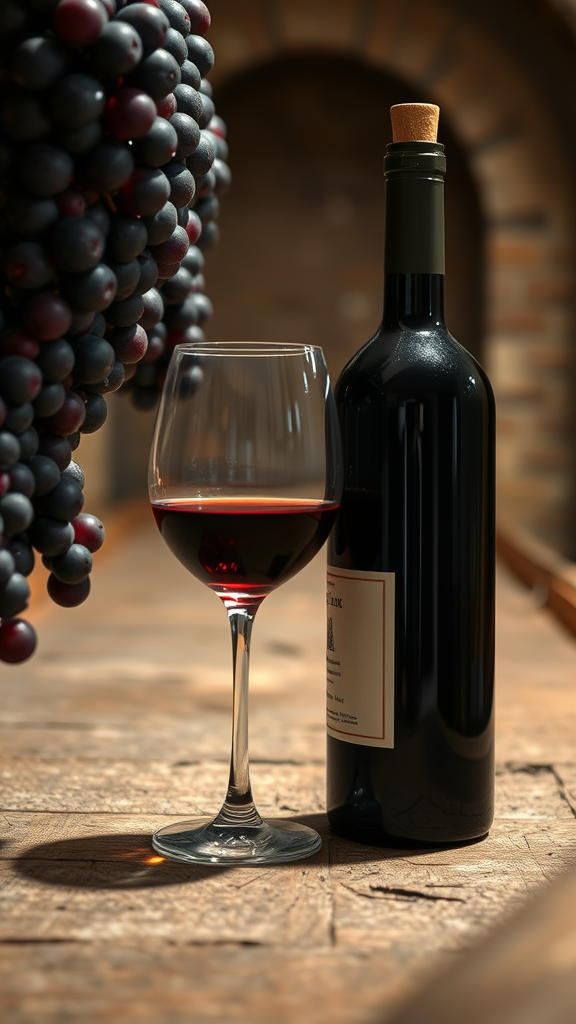
Wine aging is a fascinating process that combines art and science. When wine is barrel-aged and bottle-aged, complex chemical changes occur that dramatically enhance its flavor and aroma. Understanding these scientific transformations can enrich your appreciation for every sip. Let’s dive into how this aging process works.
One primary reaction that occurs during wine aging is oxidation. This process involves the interaction of wine with oxygen, which can happen both in barrels and bottles. Limited oxygen exposure is beneficial, as it allows for the softening of harsh tannins and the development of more nuanced flavors. Some notable effects of oxidation in aging include:
During the aging process, the breakdown of acids results in the formation of esters. Esters are volatile compounds responsible for the fruity and floral aromas found in many wines. The presence of esters usually increases with age, which can add layers to the wine’s aromatic profile. The breakdown of sugars and acids also contributes to the intricate tapestry of flavors, resulting in:
Check Details Here: https://sip-city.com/the-science-behind-wine-aging-and-cellaring
The environment where the grapes are grown, known as terroir, plays a significant role in aging. Factors such as soil type, climate, and vineyard management can influence how a wine develops. For instance, wines from cooler climates may have higher acidity, which can contribute to their aging potential. Similarly, vineyard practices such as organic farming can lead to healthier grapes and more expressive wines. Consider the following:
Barrel aging is another critical component of the aging process. Oak barrels are often used to allow wines to absorb compounds that contribute to flavor and aroma. Here are some key aspects of oak aging:
Check Details Here: https://sip-city.com/the-science-behind-wine-aging-and-cellaring
Proper cellaring is essential for allowing wines to reach their full aging potential. Temperature and humidity levels in the wine cellar are vital to prevent spoilage. Ideally, you should store wine at:
The science behind wine aging reveals that time transforms wine in remarkable ways. The chemical changes that occur enhance flavors and aromas, offering rich, complex experiences that are worth savoring. By understanding these processes, you can appreciate not just the taste of wine but the very essence of each pour. Whether you’re a novice or an aficionado, these insights bring you closer to the art of wine appreciation.
When it comes to storing wine, the right conditions and techniques can make all the difference. Whether you’re a casual drinker or a serious collector, understanding the best practices for cellaring wine is essential for maintaining its quality and enhancing its flavor over time. Let’s explore the optimal factors that contribute to successful wine preservation.
Check Details Here: https://sip-city.com/the-science-behind-wine-aging-and-cellaring
Maintaining the right temperature is crucial for cellaring wine. Ideal storage temperatures typically range between 45°F to 65°F (7°C to 18°C). Here are some tips to consider:
Humidity plays a significant role in preserving wine, especially for bottles with cork closures. The ideal humidity level is about 50% to 70%. Here’s why it matters:
Check Details Here: https://sip-city.com/the-science-behind-wine-aging-and-cellaring
Wine can be sensitive to light, especially UV rays which can enhance oxidation and degrade its quality. To protect your wine from light damage, consider the following:
Vibrations can disturb sediment in wine and influence its aging process. Here are some tips to minimize vibration impact:
Check Details Here: https://sip-city.com/the-science-behind-wine-aging-and-cellaring
The way you store your wine can significantly affect its aging process. Here’s how to handle your bottles:
Choosing an appropriate location for your wine cellar is an essential step for optimal preservation. Here are suggestions for creating the perfect environment:
Check Details Here: https://sip-city.com/the-science-behind-wine-aging-and-cellaring
Regular monitoring of your cellaring conditions can prevent potential problems. Consider these methods:
These best practices for cellaring wine will significantly enhance your collection. Proper storage conditions prevent spoilage and ensure that each bottle evolves deliciously over time. By paying attention to temperature, humidity, light exposure, and proper techniques, your wine can reach its full potential whenever you’re ready to uncork it.
Understanding the science behind wine aging and cellaring techniques is essential for any wine enthusiast. The intricate chemical changes that occur as wine matures can transform its profile, leading to richer flavors and more complex aromas. These transformations are fueled by various factors, including oxygen exposure, temperature, and the characteristics of the grape itself. By grasping this science, you can appreciate each bottle’s potential and how it evolves over time.
Check Details Here: https://sip-city.com/the-science-behind-wine-aging-and-cellaring
Equally important are the best practices for cellaring wine that ensure optimal preservation. Proper conditions—such as stable temperature, humidity levels, and minimal light exposure—play a vital role in maintaining the wine’s integrity. Selecting the right storage location and using the proper techniques can enhance the aging process, allowing you to relish the nuanced flavors that develop over the years.
By integrating knowledge of the chemical processes of aging with effective cellaring strategies, you set the stage for an incredible tasting experience. Whether you’re preserving a prized vintage or exploring new acquisitions, remember that patience and proper care can reward you with exceptional wines. Ultimately, your journey into the realm of wine aging and cellaring not only enriches your own palate but also deepens your appreciation for the artistry behind each bottle. Cheers to exploring the incredible transformation of wine over time!
Check Details Here: https://sip-city.com/the-science-behind-wine-aging-and-cellaring
