
Donec efficitur, ligula ut lacinia
viverra, lorem lacus.
Donec efficitur, ligula ut lacinia
viverra, lorem lacus.
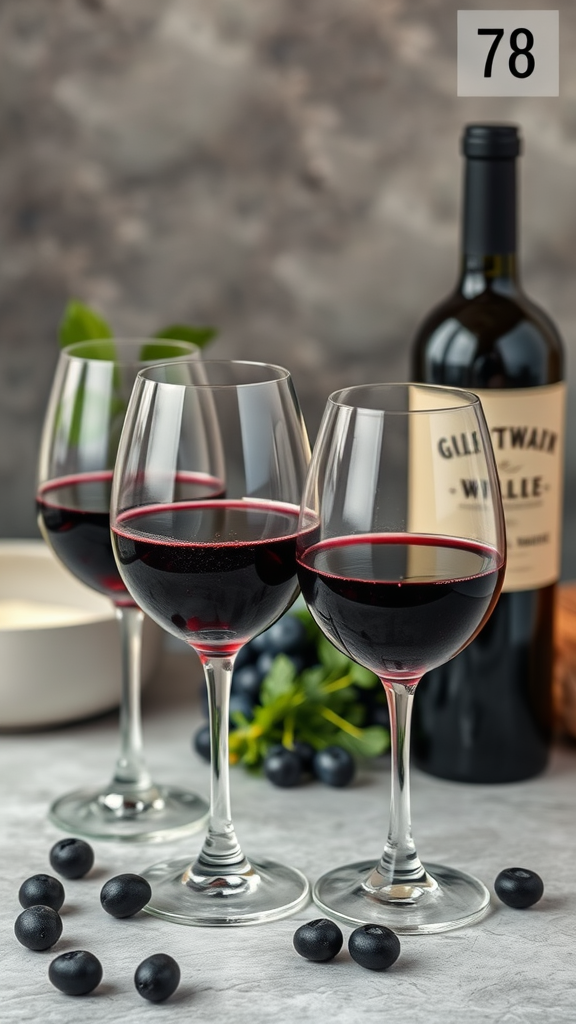
When you venture into the world of wine, one of the most exciting aspects is the art of blending wines. This process allows you to experiment with different varietals to create unique flavor profiles that can elevate your wine experience. Whether you’re a winemaker or simply an enthusiastic wine lover, mastering the techniques of blending wines can lead to fascinating results. Let’s explore some essential techniques and tips that can help you perfect your blending skills.
Before diving into blending, it’s crucial to understand the fundamental principles behind it. Each wine varietal brings its unique characteristics—flavor, aroma, acidity, and tannins. Here are some of the core components to consider:
Now that you have a grasp of the basics, let’s look at effective techniques to blend wines like a pro.
Check Details Here: https://sip-city.com/blending-wines:-techniques-and-tips
When beginning to blend, it’s wise to work with small quantities. This way, you can experiment without committing too much wine. A typical starting point could be a single bottle of each wine. Once you find a blend that excites you, you can scale up your proportions.
A wine tasting kit can make a significant difference in your blending journey. Investing in a basic kit helps you analyze each component accurately. You can use it to gauge how each varietal contributes to the final blend.
Check Details Here: https://sip-city.com/blending-wines:-techniques-and-tips
Keeping precise notes during your blending sessions is vital. Document every ratio and tasting note. This allows you to recreate successful blends and learn from less favorable ones. You might want to categorize your notes by:
Once you have created a blend, proper tasting is essential. Here are steps to perfect the final product:
Check Details Here: https://sip-city.com/blending-wines:-techniques-and-tips
To remove any bias, consider a blind tasting. This method involves having someone else pour the wine into glasses without revealing which blend it is. You can then assess the wines based solely on their taste and aroma.
Sharing your blend with friends or fellow wine enthusiasts can provide valuable insight. Their comments can help you refine the flavors, balance, and overall appeal of the wine.
Check Details Here: https://sip-city.com/blending-wines:-techniques-and-tips
While blending can be a creative process, there are some common pitfalls to steer clear of:
As you continue to experiment with pairing different varietals, consider what flavors resonate with you. Whether you prefer a fruity, bold red or a light, crisp white, your preferences will guide you toward creating a distinct signature blend.
Check Details Here: https://sip-city.com/blending-wines:-techniques-and-tips
Mastering the art of blending wines takes practice and passion. By understanding the essential techniques and avoiding common pitfalls, you’ll be well on your way to crafting delicious and balanced wine blends that both you and your guests will enjoy. So, roll up your sleeves, pour some wine, and let your creativity flow!
Wine pairing is both an art and a science that enhances our culinary experiences. When it comes to blending wines for pairing, it is important to understand how different flavor profiles complement and elevate a meal. The right blend can transform a dish, making each bite and sip feel more deliberate and enjoyable. Below are insights and tips on how blending wines can enhance your culinary adventures.
To successfully blend wines, you first need to grasp the concept of flavor profiles. Here are the basic elements to investigate:
Check Details Here: https://sip-city.com/blending-wines:-techniques-and-tips
If you’re feeling adventurous, consider crafting your own wine blends. This can be done in a few simple steps:
Once you have your blend, it’s time to put it to the test with food. Here are some tips to consider when pairing your blended wine:
Check Details Here: https://sip-city.com/blending-wines:-techniques-and-tips
Don’t hesitate to experiment. Your palate is unique, and wine blending encourages that individuality. As you pair different blends with various dishes, take notes on what works best, making adjustments based on personal preference.
Additionally, consider seasonal ingredients when deciding on your pairings. Food that is freshly harvested and at its peak can change the way a wine tastes. Experimenting with local ingredients can lead to delightful discoveries.
Check Details Here: https://sip-city.com/blending-wines:-techniques-and-tips
The journey of blending wines for pairing with food is both enjoyable and rewarding. With a little practice, you can enhance your culinary experiences significantly. Always remember, the best wine is the one you enjoy drinking. So, dive into the art of wine blending, have fun with your food pairings, and explore the myriad of flavors that await you!
By keeping these techniques and tips in mind, you will transform not just how you consume wine, but how you experience food as well. Each meal can be a celebration, bringing together the intricate flavors of both cuisine and vintage in perfect harmony.
Mastering the art of blending wines is a journey that enhances not only your tasting experience but also your culinary adventures. By understanding essential techniques like trial and error, balancing acidity and tannins, and approaching blending with an open mind, you can craft unique flavor profiles that surprise and delight your palate. Each blend offers a new opportunity to explore the complex world of wine, where every grape variety contributes its own character.
Check Details Here: https://sip-city.com/blending-wines:-techniques-and-tips
Additionally, blending wines seamlessly elevates the meals you enjoy. When you pair your blends with various dishes, you’ll notice how certain flavors complement each other, enhancing the overall dining experience. Whether it’s a rich, oaky Cabernet Sauvignon blending with a bright Merlot to accompany a savory steak or a crisp Sauvignon Blanc pairing beautifully with fresh seafood, the synergy created through wine blending opens doors to brilliant culinary possibilities.
As you continue to experiment with blending wines, remember that practice makes perfect. Don’t shy away from trying unconventional combinations or seeking out unique varietals. Each bottle serves as a stepping stone in your journey, providing fresh insights and inspirations. Ultimately, the joy of blending wines lies in the flavors that emerge and how they weave into the fabric of your meals. So gather your materials, select your favorites, and let the blending begin—an exploration of taste awaits, promising not just delicious wines but unforgettable moments to share around your table.
Check Details Here: https://sip-city.com/blending-wines:-techniques-and-tips
