
Donec efficitur, ligula ut lacinia
viverra, lorem lacus.
Donec efficitur, ligula ut lacinia
viverra, lorem lacus.
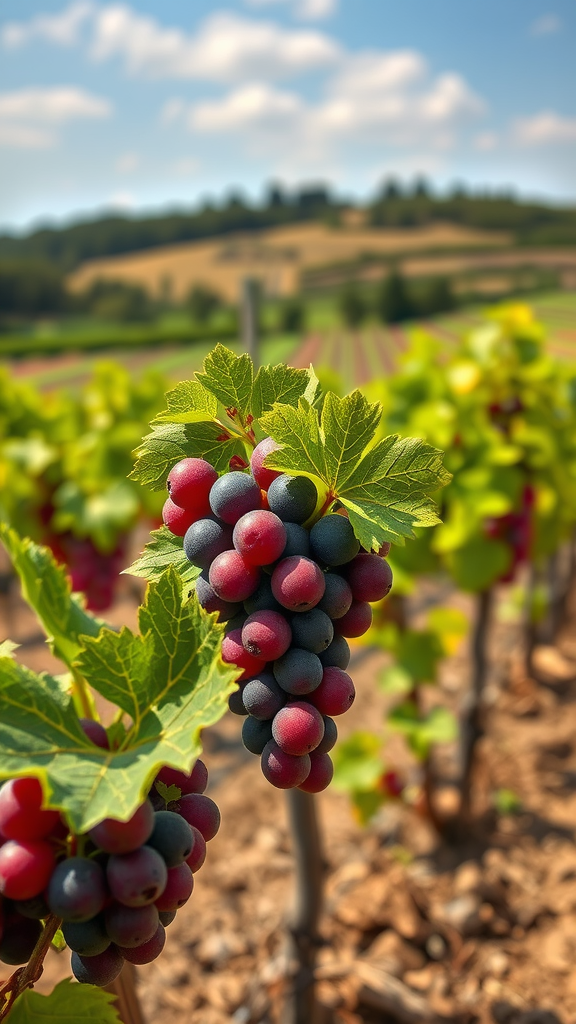
In the modern vineyard, sustainable winemaking practices are not just a trend; they are essential for the future of the industry. With growing concerns over climate change, environmental impact, and consumer awareness, winery owners are increasingly adopting innovative strategies to produce wine responsibly. These practices are shaping the landscape of viticulture and ensuring that the earth can continue to provide the grapes needed for quality wines.
One innovative practice gaining traction is the use of organic and biodynamic farming techniques. Unlike conventional methods, organic farming avoids synthetic fertilizers and pesticides. Instead, vineyard managers focus on building healthy soil through composting and crop rotation. Biodynamic agriculture takes this a step further by treating the vineyard as a holistic ecosystem, where the phases of the moon and cosmic rhythms influence planting and harvesting schedules. This approach not only nurtures the grapes but also fosters biodiversity, enhancing the vineyard’s resilience.
Water management is another critical component of sustainable winemaking. Vineyards are often located in regions prone to drought, making efficient water use imperative. Many modern vineyards are implementing sustainable irrigation systems. For example:
Check Details Here: https://sip-city.com/sustainable-winemaking-practices-for-the-modern-vineyard
By adopting such practices, vineyards not only conserve water resources but also improve the quality of the grapes, ultimately leading to better wines.
Another sustainable practice is the implementation of renewable energy sources. Many vineyards are turning to solar panels and wind turbines to power their operations. This shift helps reduce the carbon footprint of winemaking significantly. For instance, solar panels can provide electricity for everything from running equipment to powering tasting rooms. Some vineyards even use biodiesel made from waste products to fuel their machinery, further minimizing their environmental impact.
Check Details Here: https://sip-city.com/sustainable-winemaking-practices-for-the-modern-vineyard
Waste reduction and recycling are also vital aspects of sustainable winemaking. Innovative wineries are learning to turn byproducts from the winemaking process into valuable resources. For instance, grape pomace, which is the solid remains of grapes after pressing, can be used to make natural fertilizers or even incorporated into food products. Additionally, many vineyards have adopted practices like composting vineyard waste, ensuring that nothing goes to waste.
Technological advancements play a crucial role in promoting sustainability in modern winemaking. Precision viticulture, for example, utilizes GPS and remote sensing to monitor vineyard conditions meticulously. This technology allows winemakers to analyze factors such as soil health and grape ripeness, enabling more informed decisions. By pinpointing areas of the vineyard that need attention, vineyards can apply inputs more judiciously, thereby conserving resources and minimizing environmental damage.
Check Details Here: https://sip-city.com/sustainable-winemaking-practices-for-the-modern-vineyard
Community engagement is another innovative approach that wineries are embracing to strengthen their sustainable practices. Many vineyards are becoming more transparent about their processes and sharing their sustainability stories with consumers. Hosting educational tours and tasting events fosters a connection between the vineyard and the community. This not only showcases their commitment to sustainability but also inspires consumers to make eco-friendly choices in their own lives.
As wine lovers become more aware of their purchasing power, there’s a growing demand for wines produced through sustainable practices. This shift is compelling many vineyards to adapt and innovate. By aligning their practices with consumer values, wineries can enhance their marketability while contributing positively to the planet.
Check Details Here: https://sip-city.com/sustainable-winemaking-practices-for-the-modern-vineyard
Sustainable winemaking practices in the modern vineyard are multifaceted and dynamic. Through organic farming, efficient water management, renewable energy adoption, waste reduction, technological advancements, and community engagement, modern vineyards are not just making wine; they are cultivating a healthier planet. By embracing these practices, wineries are not only giving back to the environment but also ensuring that they can continue to produce high-quality wines for generations to come.
Sustainable practices are becoming increasingly vital in the world of winemaking. As consumers grow more interested in the environment and health, many vineyards are turning to organic and biodynamic methods. These approaches not only promote healthier ecosystems but also enhance the overall quality of the wine. Understanding the impact of these methods on vineyard sustainability can help wine lovers make informed choices while encouraging more vineyards to adopt eco-friendly practices.
Organic winemaking focuses on using natural processes to cultivate grapes. This means avoiding synthetic pesticides, herbicides, and fertilizers. Instead, organic vineyards often employ natural fertilizers like compost or cover crops. The benefits of these practices include:
Check Details Here: https://sip-city.com/sustainable-winemaking-practices-for-the-modern-vineyard
By focusing on sustainability, organic vineyards also contribute to the health of their surrounding ecosystems. They help reduce carbon footprints and promote biodiversity, providing habitats for local wildlife.
Biodynamic methods build on organic principles but take them further by viewing the vineyard as a holistic system. This approach not only practices organic farming but also incorporates astrological calendars and herbal preparations to enhance growth and vitality. Key aspects of biodynamic farming include:
Check Details Here: https://sip-city.com/sustainable-winemaking-practices-for-the-modern-vineyard
Biodynamic practices not only focus on grape quality but also nurture a deeper connection to land and nature. This philosophy creates a vineyard environment where the soil, plants, and animals work in synergy.
Both organic and biodynamic methods offer numerous environmental benefits that contribute to overall sustainability in viticulture. These include:
Check Details Here: https://sip-city.com/sustainable-winemaking-practices-for-the-modern-vineyard
These benefits are crucial as we face global environmental challenges. Vineyards that adopt these sustainable practices not only enhance their wine quality but contribute positively to the broader ecological landscape.
Today’s consumers are more informed and selective about their food and beverages. There is a noticeable shift toward wines produced using sustainable methods like organic and biodynamic farming. This demand encourages more vineyards to transition to these practices. Not only does this elevate the industry’s environmental responsibility, but it also fosters a community centered around sustainability and health.
Check Details Here: https://sip-city.com/sustainable-winemaking-practices-for-the-modern-vineyard
Wine drinkers often seek labels that reflect sustainable practices. As a vineyard, showcasing your commitment to organic or biodynamic methods can attract more customers. Highlight your sustainable practices on your bottles and marketing materials to stand out in a competitive market. This transparency builds trust and strengthens customer loyalty.
As vineyards adopt sustainable methods, they can also expect to see benefits beyond environmental impact. Healthy vines often yield higher-quality grapes, which can translate into better wines. When consumers recognize the care and effort put into each bottle, they are more likely to return for future purchases.
Check Details Here: https://sip-city.com/sustainable-winemaking-practices-for-the-modern-vineyard
The impact of organic and biodynamic methods on vineyard sustainability is both profound and multifaceted. They contribute positively to the environment, enhance soil health, and tap into consumer demand for transparent, ethical practices. If you’re a wine enthusiast, seeking out wines from vineyards that adopt these methods not only supports the planet but also ensures you enjoy exceptional quality in your glass.
Sustainable winemaking practices are not just trends; they represent a necessary shift in how vineyards operate in the modern world. By embracing innovative techniques, vineyards can enhance their environmental stewardship while producing high-quality wines. Implementing practices like cover cropping, integrated pest management, and water conservation creates a healthier ecosystem and promotes biodiversity, benefiting both the vineyard and surrounding habitats.
The impact of organic and biodynamic methods further underscores the significance of sustainability in winemaking. These approaches prioritize natural processes and avoid synthetic chemicals, ensuring that the soil, vines, and ultimately the wine itself remain pure and vibrant. This not only fosters healthier grapes but also resonates with growing consumer demand for transparency and quality in wine production.
Check Details Here: https://sip-city.com/sustainable-winemaking-practices-for-the-modern-vineyard
As you explore the world of wine, remember that sustainable practices play a vital role in shaping the flavors and nuances of your favorite bottles. When you choose wines from vineyards committed to sustainable winemaking, you are not only enjoying exceptional products but also supporting a healthier planet. Your choice encourages a future where agriculture respects nature’s balance, and the art of winemaking flourishes in harmony with the environment.
Stay informed and engaged—your decisions can make a difference. Whether you’re a casual wine drinker or a connoisseur, recognizing the value of sustainability in winemaking enriches your experience and contributes to a better future for this cherished craft. Consider asking your local wine merchant about sustainable vineyards, and let your palate be part of positive change in the wine industry.
Check Details Here: https://sip-city.com/sustainable-winemaking-practices-for-the-modern-vineyard
