
Donec efficitur, ligula ut lacinia
viverra, lorem lacus.
Donec efficitur, ligula ut lacinia
viverra, lorem lacus.
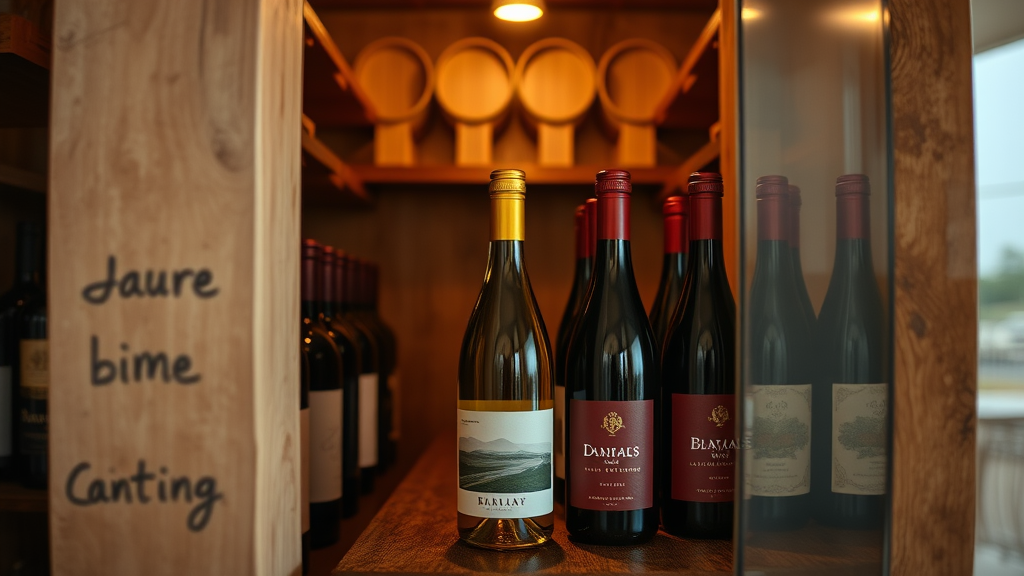
Storing wine bottles correctly is essential to maintain their quality and flavor over time. Whether you’re a casual drinker or a connoisseur, understanding the optimal conditions can significantly enhance your wine experience. Here’s how to store your wine bottles effectively.
Temperature Control: One of the most critical factors in wine storage is maintaining a consistent temperature. Ideally, wine should be stored at a cool, constant temperature between 55°F (13°C) and 65°F (18°C). Fluctuations in temperature can cause the wine to expand and contract, leading to potential leaks in the cork. Avoid storing wine in areas with extreme temperatures, such as near ovens, dishwashers, or direct sunlight. Keeping your wine in a basement or a dedicated wine fridge can help maintain these ideal conditions.
Humidity Levels: Humidity is another crucial element for proper wine storage. Optimal humidity levels range between 50% and 70%. High humidity helps prevent the cork from drying out, which can lead to oxidation and spoilage. Low humidity can cause the cork to shrink, allowing air to enter the bottle and affect the wine’s quality. A hygrometer can help you monitor and maintain the right humidity level in your wine storage area.
Light Exposure: Light, especially ultraviolet (UV) light, can damage wine, causing it to develop off-flavors and aromas. Store your wine in a dark place to avoid exposure to light. If you’re using a wine fridge, ensure it has UV-resistant glass doors. For those storing wine in cellars, consider painting walls with UV-filtering paint or covering windows with UV-blocking curtains.
Vibration and Movement: Minimize vibration and movement in your wine storage area. Vibration can disturb the sediment in aged wines and interfere with the aging process. Avoid placing wine racks near appliances that generate vibrations, such as washing machines or dishwashers. If possible, choose a quiet, stable area for your wine storage, like a basement far from household appliances.
Bottle Orientation: While many people store wine bottles horizontally, some prefer to store them vertically. Horizontal storage keeps the cork moist, preventing it from drying out and shrinking. However, if you’re storing wines with screw caps or synthetic corks, vertical storage might be more practical. Regardless of the orientation, the key is to keep the environment consistent and controlled.
By following these guidelines, you can ensure your wine bottles are stored under optimal conditions, preserving their quality and enhancing their taste. Whether you’re storing a few bottles or building a substantial collection, taking care of these details will pay off in the long run. Enjoying a perfectly stored bottle of wine can elevate your dining experience and bring out the best flavors and aromas.
Remember, consistency is key. Small adjustments in temperature, humidity, and light exposure can make a big difference in the longevity and quality of your wine. Invest in a quality wine fridge or a dedicated storage space if you’re serious about wine preservation. With the right conditions, your wine collection can thrive and become a cherished part of your home.
For those who frequently host dinner parties or enjoy sharing wine with friends, understanding these storage tips can help you select the perfect bottle every time. Whether it’s a vintage red or a crisp white, proper storage ensures each sip is as delightful as the last. Happy storing!
When it comes to storing wine bottles, understanding how temperature affects wine quality over time is crucial. Proper storage can significantly enhance the aging process and preserve the wine’s intended flavors and aromas. Here’s a detailed guide on managing the impact of temperature on wine quality.
Temperature plays a pivotal role in maintaining the integrity of wine. Fluctuations in temperature can cause chemical reactions within the bottle, affecting the wine’s taste, color, and aroma. Ideally, wine should be stored at a consistent temperature between 55°F (13°C) and 65°F (18°C). This range allows the wine to age gracefully without undergoing rapid changes that could spoil its character.
High temperatures accelerate the aging process, which can lead to a loss of freshness and vibrancy in the wine. When exposed to higher temperatures, typically above 70°F (21°C), the wine may lose its fruity notes and develop a more bitter, alcoholic taste. This is because heat causes the tannins and other compounds in the wine to break down faster than they would under ideal conditions. Consequently, the wine might become flat and less enjoyable.
Sudden changes in temperature can also harm wine. For instance, if a wine bottle moves from a cold environment to a warm one repeatedly, it can cause the cork to expand and contract. This movement can introduce oxygen into the bottle, leading to oxidation. Oxidation alters the wine’s flavor profile, often making it taste stale and dull. To avoid this, it’s essential to maintain a stable environment where the temperature remains constant.
While high temperatures are detrimental, extremely low temperatures can also affect wine quality. Temperatures below 50°F (10°C) can slow down the aging process and even cause the wine to freeze. Freezing can damage the structure of the wine, causing it to lose its clarity and potentially altering its flavor. Additionally, freezing can cause the cork to expand, allowing air to enter the bottle and leading to oxidation.
Alongside temperature, humidity levels play a significant role in wine storage. Ideal humidity levels should be around 60% to 70%. This level of humidity keeps the cork moist, preventing it from drying out and shrinking. A dry cork can allow air to seep into the bottle, leading to oxidation and spoilage. Conversely, too much humidity can promote mold growth, which can also degrade the wine.
Light exposure, especially direct sunlight, can also affect wine quality. Ultraviolet (UV) rays from sunlight can cause photochemical reactions in the wine, leading to a phenomenon known as lightstrike. This can impart unpleasant flavors and aromas, reminiscent of wet cardboard or cork. To prevent this, store wine in a dark place or use bottles with UV-resistant glass.
Vibration and movement can disturb the sediment in aged wines and disrupt the aging process. Frequent vibrations can cause the wine to mix with the sediment, affecting its clarity and flavor. It’s best to store wine in a location free from excessive vibration, such as a basement or a wine fridge designed to minimize movement.
Selecting the right location for storing your wine is critical. A cool, dark, and humid cellar is ideal, but not everyone has access to such a space. If a dedicated wine cellar isn’t an option, consider using a wine refrigerator or cabinet. These appliances are designed to maintain optimal temperature and humidity levels, providing a controlled environment for your wine collection.
Maintaining consistency in storage conditions is the cornerstone of preserving wine quality. Regularly check the temperature, humidity, and light exposure in your storage area. Using a hygrometer and thermometer can help monitor these conditions accurately. Additionally, avoid storing wine near strong odors, as they can permeate through the cork and alter the wine’s aroma and flavor.
Understanding how temperature affects wine quality over time is essential for anyone looking to enjoy their wine at its best. By maintaining a stable environment, avoiding sudden temperature changes, and selecting the right storage location, you can ensure your wine ages gracefully and retains its intended character.
Storing wine bottles correctly involves more than just keeping them in a cool place. One crucial factor often overlooked is humidity. Maintaining the right level of humidity is essential for preserving the integrity of both the wine and the cork. Here’s how humidity affects wine storage and what you can do to ensure your collection remains in top condition.
Wine corks are particularly sensitive to their environment. They need to stay moist to prevent them from drying out and shrinking. When a cork dries out, it can let air into the bottle, which can oxidize the wine and spoil its flavor. On the other hand, too much humidity can cause mold to grow on the cork or label, which is equally detrimental.
The ideal humidity range for storing wine is between 60% and 70%. This level of moisture keeps the cork supple enough to maintain a proper seal while preventing excessive condensation inside the bottle. If the humidity drops below 50%, the cork may start to dry out, leading to potential oxidation. Conversely, humidity above 70% increases the risk of mold growth.
To control humidity effectively, consider investing in a hygrometer. This device measures the relative humidity in your storage area. Place it near your wine collection so you can monitor conditions easily. If the humidity falls below the optimal range, you might need to introduce moisture into the room. Using a humidifier can help maintain the necessary levels. For areas with naturally high humidity, dehumidifiers can be useful to bring the levels down to a safe range.
If you plan to store wine for extended periods, maintaining consistent humidity is even more critical. Fluctuations can cause the cork to expand and contract repeatedly, leading to potential leaks. A consistent environment helps preserve the wine’s quality and prolong its shelf life.
Humidity also plays a role in protecting wine labels. Labels can peel off or become damaged when exposed to extreme humidity levels. Keeping the environment stable helps maintain the appearance and value of your wine collection.
Beyond controlling humidity, there are several other factors to consider for proper wine storage:
Maintaining the correct humidity level is a vital aspect of proper wine storage. By monitoring and adjusting the humidity in your storage area, you can ensure that your wine bottles remain in optimal condition. Remember, a little attention to detail goes a long way in preserving the quality and longevity of your cherished wines.
Storing wine properly is crucial to maintaining its quality and flavor over time. One of the most common mistakes people make when storing wine is exposing it to light, particularly direct sunlight. Light exposure can significantly affect the taste and aroma of wine, leading to premature aging and spoilage. Understanding why light exposure is detrimental can help you protect your valuable wine collection.
Wine is sensitive to various environmental factors, including temperature, humidity, vibrations, and light. Among these, light exposure is particularly harmful because it can cause chemical reactions within the wine that alter its composition. This phenomenon is especially true for white wines and sparkling wines, which are more susceptible to light damage due to their lighter color and thinner glass bottles.
When wine is exposed to light, particularly ultraviolet (UV) rays, it triggers a process known as photochemical oxidation. This process involves the interaction between light and certain compounds in the wine, such as phenolic compounds and tannins. These interactions can lead to the formation of off-flavors and aromas, making the wine taste stale or vinegary. Additionally, light exposure can cause the wine to lose its fruity and floral notes, replacing them with unpleasant flavors that diminish the overall drinking experience.
The type of light that poses the greatest risk to wine is ultraviolet (UV) light. UV light is present in both natural sunlight and artificial lighting sources, such as fluorescent bulbs. While all types of light can contribute to the degradation of wine, UV light is particularly damaging due to its high energy levels. UV light has shorter wavelengths and higher frequencies, which makes it more likely to penetrate the wine bottle and interact with the wine’s chemical components.
In contrast, visible light, which includes the colors we see, is less harmful but still capable of causing damage over prolonged periods. Incandescent bulbs emit less UV light compared to fluorescent bulbs, making them a better option for wine storage areas. However, it is best to minimize exposure to any type of light, including visible light, to ensure the longevity and quality of your wine collection.
Different types of wine react differently to light exposure. White wines and sparkling wines are generally more vulnerable because of their lighter color and the thinner glass typically used in their bottles. The lighter color allows more light to pass through, increasing the likelihood of photochemical oxidation. Red wines, on the other hand, contain higher levels of pigments and tannins, which offer some protection against light damage. However, they are not entirely immune; prolonged exposure can still degrade their quality.
Sparkling wines are especially sensitive due to the presence of carbon dioxide, which can accelerate the photochemical reactions. This sensitivity means that sparkling wines require even more careful storage conditions to preserve their delicate balance of flavors and aromas. Even small amounts of light exposure can result in significant changes to the wine’s character, affecting its overall appeal and enjoyment.
To protect your wine collection from light exposure, consider the following tips:
While protecting your wine from light exposure is crucial, there are other factors to consider for optimal storage:
By understanding the risks associated with light exposure and implementing proper storage techniques, you can significantly enhance the longevity and quality of your wine collection. Remember, the key to preserving your wine is to create an environment that minimizes all forms of stress, including light exposure, temperature fluctuations, and vibrations.
When it comes to storing your wine collection, choosing the right wine rack can make all the difference in preserving the quality and flavor of your precious bottles. Whether you’re a casual drinker with a few favorites or a dedicated enthusiast with hundreds of bottles, finding the perfect wine rack is essential. Here’s how to go about selecting the best option for your needs.
Consider Your Space
Before purchasing a wine rack, assess the space where you plan to store your wines. Measure the area carefully, considering both the height and width. This will help you determine the size of the rack that fits best. If you have limited space, opt for vertical racks that maximize storage capacity without taking up too much floor space. For larger collections, consider multi-tiered racks or custom-built solutions that can fit into corners or along walls.
Type of Wine Bottles
The type of wine bottles you own can influence the choice of your wine rack. Standard bottles are typically stored horizontally to keep the cork moist and prevent it from drying out. However, if you have a mix of bottle shapes and sizes, including tall and narrow ones like champagne bottles, look for racks designed to accommodate these variations. Some racks offer adjustable compartments to fit different bottle types comfortably.
Material Matters
The material of the wine rack is another crucial factor. Common materials include wood, metal, and plastic. Wooden racks offer a classic aesthetic and can blend well with various decor styles. Metal racks are durable and often come with adjustable features, making them versatile. Plastic racks are budget-friendly and lightweight, which can be advantageous if you need to move your collection frequently.
Storage Orientation
Most wine racks are designed to hold bottles horizontally, but there are alternatives. Some racks allow you to store bottles at an angle, which can be useful if you’re short on space. However, ensure that the angle does not exceed 45 degrees, as this could cause the cork to dry out over time. For those who prefer vertical storage, there are specialized racks available, but be cautious as these may not keep corks properly hydrated.
Aesthetic Appeal
Your wine rack should not only serve a functional purpose but also enhance the look of your room. Consider the design and finish of the rack to ensure it complements your home’s interior. Wooden racks come in various finishes, from natural wood tones to painted surfaces. Metal racks can be sleek and modern or rustic and vintage, depending on the style you choose.
Budget Constraints
Determining your budget upfront can help narrow down your options. Wine racks range from affordable plastic models to expensive custom-built units. Set a realistic budget and stick to it, keeping in mind that higher prices do not always guarantee better quality. Look for reviews and recommendations to find cost-effective options that meet your requirements.
Maintenance and Durability
Regular maintenance is key to extending the life of your wine rack. Wood and metal racks require occasional cleaning to prevent dust accumulation and potential damage. Check for loose parts or signs of wear periodically. Durable racks made from high-quality materials will last longer and maintain their functionality over time.
Custom Solutions
If you have a large or unique collection, consider custom-built wine racks. Custom solutions can be tailored to fit your specific space and storage needs. They can also be designed to match your existing decor perfectly. While custom racks tend to be more expensive, they offer unmatched flexibility and aesthetic appeal.
Final Thoughts
Choosing the right wine rack involves balancing practicality, aesthetics, and personal preferences. Take the time to measure your space, consider the types of bottles you have, and set a budget. Whether you opt for a standard rack or a custom solution, the goal is to create a storage system that keeps your wine collection safe and accessible. With the right rack, every bottle in your collection can be enjoyed to its fullest potential.
Properly storing your wine bottles ensures they age gracefully and maintain their intended flavors and aromas. By keeping your wine in optimal conditions—maintaining a consistent temperature between 55°F and 65°F, humidity levels around 70%, and away from direct light—you can significantly enhance its quality over time. Selecting the right wine rack not only organizes your collection but also supports the bottles, preventing damage and degradation. Remember, every detail matters when it comes to preserving your cherished wines. Whether you’re a seasoned collector or just starting out, taking these steps will ensure your wine ages beautifully, ready to be savored whenever you choose to open a bottle. Enjoy your carefully curated collection with peace of mind, knowing each sip reflects the care you’ve taken in its storage.
