
Donec efficitur, ligula ut lacinia
viverra, lorem lacus.
Donec efficitur, ligula ut lacinia
viverra, lorem lacus.
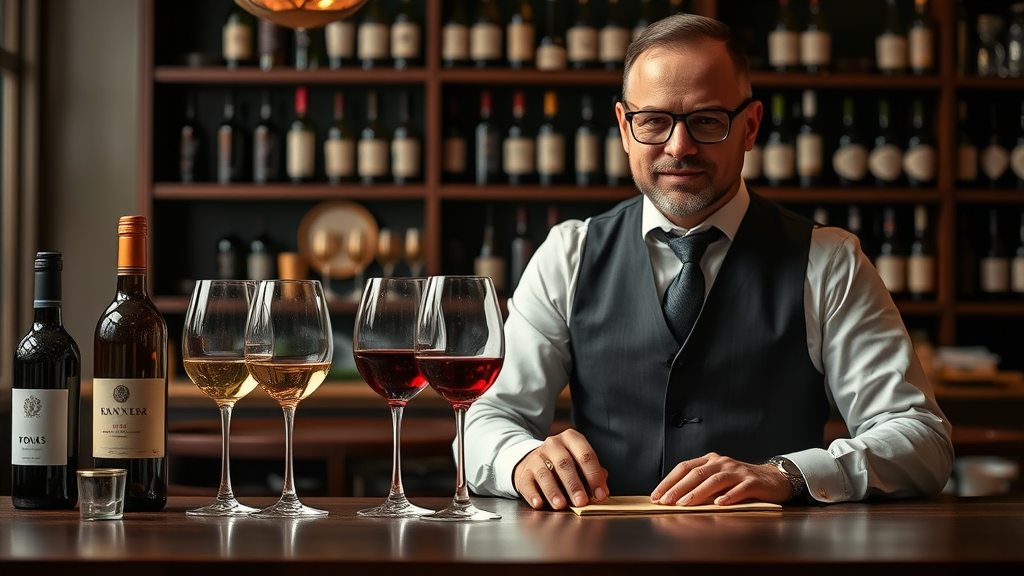
The role of a sommelier in enhancing dining experiences is multifaceted and deeply rooted in the art of pairing food with wine. A sommelier, often referred to as a wine steward, is a professional trained in all aspects of wine service. Their expertise spans from the vineyard to the table, making them indispensable in fine dining establishments.
To become a sommelier, one must undergo rigorous training and certification processes. Organizations like the Court of Master Sommeliers offer various levels of certification, from introductory courses to the prestigious Master Sommelier designation. These certifications ensure that sommeliers possess extensive knowledge about different grape varieties, wine regions, and wine-making techniques. They also learn how to taste, describe, and recommend wines based on their characteristics and the preferences of diners.
One of the primary responsibilities of a sommelier is to help guests navigate the wine list. They provide detailed descriptions of each wine, offering insights into its flavor profile, body, acidity, and tannin levels. By understanding the diner’s preferences and the dishes being served, a sommelier can suggest the perfect wine to complement the meal. For instance, a light white wine might pair well with seafood, while a robust red wine could enhance the flavors of a hearty steak dish.
In addition to wine selection, sommeliers play a crucial role in maintaining the quality of the wine cellar. They manage inventory, ensuring that wines are stored correctly and aged properly. Proper storage is essential for preserving the integrity of the wine, which can significantly impact its taste and aroma. Sommeliers also keep track of wine sales and consumption patterns, helping restaurants make informed decisions about their wine lists and purchasing strategies.
Another aspect of a sommelier’s job involves educating both staff and customers. They conduct training sessions for servers and bartenders, ensuring that everyone is knowledgeable about the wine offerings. This collective expertise enhances the overall dining experience, as staff members can confidently answer questions and make informed recommendations. Furthermore, sommeliers often host wine tasting events and seminars, providing diners with an immersive educational experience. These events can range from casual tastings to more formal educational programs, allowing guests to deepen their appreciation of wine.
The sommelier’s role extends beyond mere service; they are storytellers and educators. Each bottle of wine has a story, whether it’s about the region where it was grown, the winemaking process, or the people behind it. By sharing these stories, sommeliers enrich the dining experience, turning a simple meal into a memorable journey through the world of wine.
Moreover, sommeliers contribute to the ambiance of a restaurant. Their presence and expertise add a layer of sophistication and professionalism to the dining environment. They often interact with guests in a way that is both informative and engaging, creating a personalized and memorable experience. Whether they are discussing the nuances of a particular vintage or recommending a wine to complement a specific dish, their guidance helps elevate the overall dining experience.
Technology has also played a role in modernizing the sommelier’s role. Many restaurants now use digital tools and apps to manage their wine lists and customer preferences. Sommeliers can leverage these technologies to streamline their operations and provide more personalized service. For example, some apps allow guests to scan QR codes to access detailed information about the wines on the menu, making the selection process more interactive and enjoyable.
The sommelier’s influence on the dining experience is immeasurable. They bridge the gap between the kitchen and the dining room, ensuring that every element of the meal is thoughtfully considered. From the initial consultation to the final pairing, their expertise and passion for wine make dining a truly unforgettable experience. In essence, a sommelier transforms a simple meal into a culinary adventure, blending artistry and science to create moments that linger in memory.
Embarking on a career as a sommelier is both a challenging and rewarding journey. To become a skilled sommelier, one must undergo rigorous training and meet specific qualifications that encompass knowledge, experience, and certification. Here’s a detailed look into what it takes to become a sommelier:
To start, aspiring sommeliers should have a genuine passion for wine and a desire to learn extensively about its nuances. This foundational love for wine is crucial as it fuels the dedication needed to navigate through the complexities of wine tasting, pairing, and service.
Alongside formal education and certifications, practical experience is vital. Many sommeliers start as cellar assistants, wine stewards, or even servers in restaurants. This groundwork provides invaluable experience in managing wine lists, serving guests, and understanding customer preferences.
Beyond education and experience, certain personal attributes are beneficial for a successful career as a sommelier. These include strong communication skills, attention to detail, a keen sense of taste and smell, and the ability to manage multiple tasks efficiently. A sommelier often works in high-pressure environments, so being calm under pressure and having excellent customer service skills are also crucial.
Becoming a sommelier involves a blend of formal education, practical experience, certifications, and personal development. It is a path that requires dedication, passion, and a lifelong commitment to learning. Whether you’re just starting or looking to advance your career, the journey to becoming a sommelier is both enriching and fulfilling.
When dining out, the experience extends beyond just the food. A significant component of this experience is the wine selection, which can elevate a meal from good to extraordinary. This is where a sommelier comes into play. A sommelier is a trained and knowledgeable wine professional, typically working in fine dining establishments, who specializes in all aspects of wine service as well as wine and food pairing.
The role of a sommelier in restaurants goes far beyond just recommending a bottle of wine. They are responsible for managing the wine inventory, developing wine lists, and educating staff about wine. However, their impact on wine sales is profound. Let’s delve into how a sommelier influences wine sales and enhances the overall dining experience.
A sommelier’s expertise plays a crucial role in enhancing the customer experience. When customers visit a restaurant, they often look for recommendations on which wine would pair best with their meal. A sommelier can provide personalized advice based on the diner’s preferences, the cuisine being served, and the occasion. This level of personalization not only makes diners feel valued but also increases the likelihood of them choosing a wine recommendation over a pre-selected bottle. According to industry reports, personalized recommendations can increase wine sales by up to 30%.
Education is another powerful tool in a sommelier’s arsenal. By educating both staff and customers, a sommelier can significantly boost wine sales. For instance, training staff on wine knowledge ensures that every server can confidently recommend wines to guests. Additionally, educating customers about wine through tastings, seminars, or simply during the ordering process, can pique their interest and lead to higher sales.
A sommelier’s influence on purchasing decisions cannot be overstated. From suggesting the perfect wine to pair with a dish to guiding customers through the wine list, a sommelier can sway a diner’s choice. Their expertise helps diners overcome the intimidation often associated with wine lists, making the decision-making process smoother and more enjoyable.
Effective management of the wine inventory is another area where a sommelier excels. They ensure that the restaurant has a balanced wine list that caters to various palates and budgets. Additionally, pricing strategies play a vital role in maximizing sales. By setting competitive prices and offering promotions, a sommelier can drive wine sales while maintaining profitability.
A sommelier’s impact on wine sales in restaurants is multifaceted. From enhancing the customer experience through personalized recommendations and education to influencing purchasing decisions and effectively managing inventory and pricing, a sommelier contributes significantly to the success of a restaurant’s wine program. By leveraging their expertise, restaurants can not only boost wine sales but also create memorable dining experiences that keep customers coming back.
Sommeliers play a crucial role in enhancing dining experiences by carefully selecting wines that complement different dishes. Their expertise lies in understanding how flavors interact, ensuring that each wine enhances the taste of the food it’s paired with. Let’s delve into the process sommeliers follow when choosing and recommending wines for various dishes.
When a customer approaches a sommelier for wine recommendations, the first step is understanding their preferences. Sommeliers often start by asking questions like, “What kind of wine do you usually enjoy?” or “Are there any specific flavors or regions you prefer?” This helps them narrow down the options based on personal taste while keeping in mind the cuisine being served.
To recommend the right wine, sommeliers need to know the specifics of the dish. They consider factors such as the dominant flavors, cooking method, and ingredients. For example, a rich, fatty dish like duck confit might call for a full-bodied red wine, such as a Syrah or a Malbec, which can cut through the richness. On the other hand, a light fish dish might pair better with a crisp white wine, such as a Sauvignon Blanc or a Pinot Grigio, to enhance its delicate flavors without overpowering them.
Sometimes, pairing a wine from the same region as the dish can elevate the overall experience. For instance, a French dish like coq au vin would pair beautifully with a Burgundy Pinot Noir, enhancing the earthy flavors of the dish. Similarly, a Spanish paella could be complemented by a robust Rioja or a vibrant Albariño.
The atmosphere and occasion also influence wine selection. A casual dinner might call for a more approachable wine, while a formal event might require something more sophisticated. For example, a wedding reception might feature a sparkling wine like Champagne or Prosecco to celebrate the occasion, whereas a business dinner might focus on a more structured and complex wine to match the seriousness of the setting.
Temperature plays a significant role in wine tasting. Most white wines are best enjoyed chilled, typically between 45°F to 55°F (7°C to 13°C), which enhances their crispness and acidity. Red wines, however, are generally served at room temperature or slightly cooler, around 60°F to 65°F (15°C to 18°C), to bring out their aromas and flavors. Properly serving wines at their ideal temperatures ensures that customers get the best possible experience.
Sommeliers often personalize their recommendations based on individual tastes and budgets. They might suggest a range of wines within a price point, allowing customers to choose based on their preference. For instance, a customer looking for a mid-range option might be offered a Bordeaux blend, while someone willing to spend more could be introduced to a premium Grand Cru Burgundy.
Ultimately, the art of a sommelier lies in their ability to bridge the gap between food and wine, creating harmonious pairings that delight the senses. By understanding the dish, considering the setting, and taking into account personal preferences, sommeliers ensure that every meal is elevated with the perfect glass of wine.
Sommeliers employ a meticulous approach to wine selection, balancing flavor profiles, regional traditions, and personal tastes to create unforgettable dining experiences. Whether it’s a simple pasta dish or a multi-course gourmet meal, the right wine can transform the way we enjoy our food, making the sommelier an invaluable ally in the culinary world.
In the world of fine dining and wine appreciation, the role of a sommelier has evolved significantly over the years. Traditionally, sommeliers were seen primarily as wine stewards, responsible for managing wine lists and recommending wines to diners. However, with the rapid advancements in technology and changing consumer preferences, the role of a sommelier is now more dynamic and multifaceted than ever before.
One of the most notable innovations shaping the future of sommelier practices is the integration of digital tools into their daily routines. Many sommeliers are now leveraging apps and software designed specifically for wine management. These tools allow them to maintain detailed inventories, track wine storage conditions, and even offer personalized recommendations based on customer preferences. For instance, some apps use machine learning algorithms to analyze a diner’s past choices and suggest complementary wines, enhancing the overall dining experience.
Another trend is the growing emphasis on sustainability and ethical sourcing. As consumers become more conscious of environmental issues, there is a rising demand for wines produced through sustainable and organic methods. Sommeliers are increasingly expected to be knowledgeable about these practices and to recommend wines that align with these values. This shift not only enhances the sommelier’s expertise but also helps establishments appeal to a broader, more socially aware clientele.
The rise of virtual reality (VR) and augmented reality (AR) technologies is also transforming how sommeliers educate and engage with their customers. Imagine a VR experience where diners can virtually tour vineyards, learn about the winemaking process, and even taste different wines without leaving their table. AR can overlay information about wine labels and pairings directly onto a smartphone screen, providing an interactive and educational experience. Such innovations not only make the wine selection process more engaging but also deepen the understanding and appreciation of wine among consumers.
Furthermore, the concept of wine pairing is expanding beyond traditional boundaries. While classic pairings like red wine with steak remain popular, sommeliers are now experimenting with more unconventional combinations. For example, some are pairing sparkling wines with spicy dishes, or white wines with rich, creamy sauces. This trend reflects a broader culinary movement towards creativity and experimentation, encouraging sommeliers to think outside the box and challenge conventional norms.
Another significant development is the increasing focus on diversity and inclusivity within the sommelier community. Historically, the profession has been dominated by certain demographics, but efforts are being made to promote diversity and inclusivity. Wine schools and professional organizations are implementing programs aimed at attracting a wider range of candidates, including women and individuals from diverse ethnic backgrounds. This not only enriches the field but also ensures that sommeliers can better represent and cater to a diverse clientele.
Moreover, the role of a sommelier is becoming more collaborative with other professionals in the food and beverage industry. Chefs and mixologists are working closely with sommeliers to create holistic dining experiences that blend various flavors and textures. For example, a multi-course meal might feature a carefully curated selection of wines, craft cocktails, and even non-alcoholic beverages, each designed to complement and enhance the dishes served. This interdisciplinary approach is leading to innovative and memorable dining experiences that go beyond traditional wine pairings.
The advent of social media platforms has revolutionized how sommeliers share knowledge and connect with enthusiasts. Instagram, YouTube, and TikTok have become powerful tools for sommeliers to showcase their expertise, share tasting notes, and engage with a global audience. Through short videos and live streams, sommeliers can provide real-time advice, conduct virtual tastings, and even host wine education classes, making the world of wine more accessible than ever before.
The future of sommelier practices is marked by technological advancements, a heightened focus on sustainability, creative experimentation, increased diversity, collaborative efforts across disciplines, and the democratization of wine education through social media. These trends not only enhance the sommelier’s role but also contribute to a more inclusive, engaging, and enjoyable wine-drinking experience for consumers worldwide.
Understanding the multifaceted role of a sommelier enriches our appreciation of dining experiences. These professionals not only enhance meals through impeccable wine pairings but also undergo rigorous training to master their craft. Their impact on wine sales can significantly boost restaurant revenues, making them invaluable assets. By carefully selecting wines that complement various dishes, sommeliers ensure each meal reaches its full potential. As we look to the future, emerging trends like sustainable practices and digital tools will continue to shape how sommeliers operate. Embracing these innovations will allow sommeliers to stay at the forefront of the culinary world, continually elevating the art of wine and food pairing. Whether you’re a seasoned diner or a curious newcomer, recognizing the expertise and dedication of a sommelier can transform your next meal into a truly memorable experience.
