
Donec efficitur, ligula ut lacinia
viverra, lorem lacus.
Donec efficitur, ligula ut lacinia
viverra, lorem lacus.
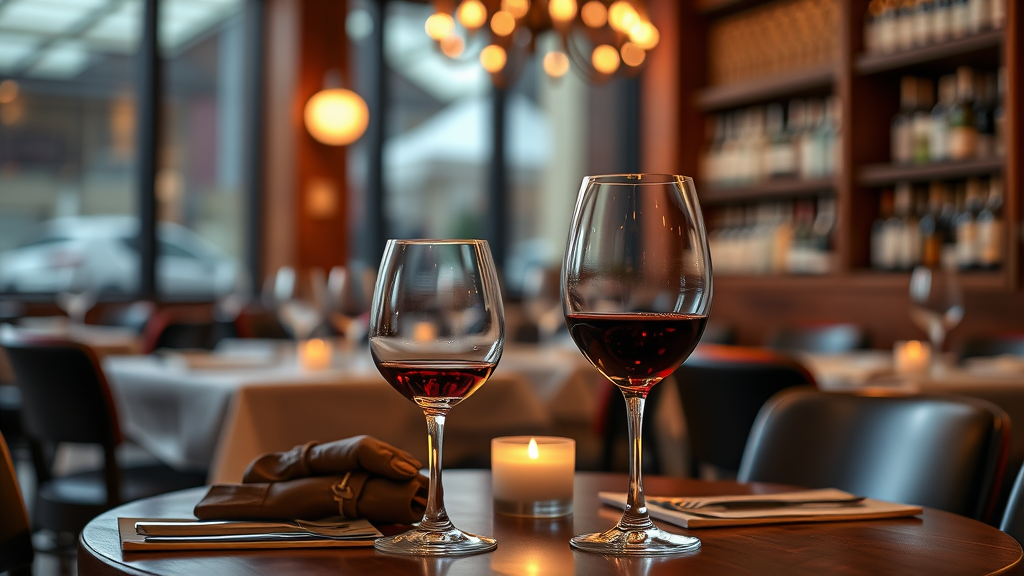
When you’re out for a fancy dinner, you might notice that the glass of wine you enjoy costs significantly more than it does at the store. You might wonder, “Why is wine so expensive at restaurants?” Understanding the factors behind these prices can help demystify the cost and give you a better appreciation for the experience.
One major reason for the higher price of wine in restaurants is the markup applied by the establishment. Restaurants typically mark up their wine prices by a significant margin compared to retail stores. For example, a bottle that costs $15 at a grocery store could easily sell for $40 or more at a restaurant. This markup helps cover various operational costs like rent, utilities, and staff salaries.
Operational Costs: Running a restaurant involves numerous expenses beyond just the cost of ingredients. Rent, utilities, insurance, and maintenance are just a few examples. Additionally, restaurant owners need to ensure they have enough capital to keep the business running smoothly. These overhead costs are often reflected in the price of wine.
Wine List Selection: Restaurants often curate a wine list that caters to a variety of palates and occasions. This selection process includes sourcing wines from different regions and varietals, which can increase the overall cost. Moreover, some restaurants may offer exclusive wines that aren’t readily available in stores, adding to the premium pricing.
Service and Atmosphere: Dining out isn’t just about the food; it’s also about the experience. The ambiance, service, and overall atmosphere contribute to the higher prices. Skilled sommeliers who can guide you through the wine list and pair wines with your meal add value to your dining experience. Their expertise is factored into the cost of the wine.
Profit Margins: Like any business, restaurants aim to make a profit. While food margins can be slim, drinks, including wine, often carry higher profit margins. This strategy helps balance the financials and ensures the restaurant remains profitable.
Taxes and Licensing: Selling alcohol comes with its own set of regulations and costs. Restaurants must obtain licenses to serve alcohol, which can be expensive. Additionally, taxes on alcoholic beverages are typically higher than those on non-alcoholic items, contributing to the final price tag.
Supply Chain and Storage: The journey of wine from vineyard to table is complex. It involves transportation, storage, and sometimes special handling to maintain quality. Restaurants must invest in proper storage facilities to ensure the wine is served at its best. These additional steps add to the overall cost.
Seasonality and Demand: Just like other commodities, wine prices can fluctuate based on supply and demand. During peak seasons or special events, the prices might rise due to increased demand. Restaurants may pass these costs onto customers to manage their inventory effectively.
Exclusive Partnerships: Some restaurants form partnerships with wineries to offer exclusive wines. These collaborations can result in limited-edition bottles that come at a premium price. While this exclusivity adds to the allure, it also increases the cost.
Portion Control: When you order a glass of wine at a restaurant, you’re paying for portion control and convenience. At home, you might pour multiple glasses from a single bottle, whereas restaurants carefully measure portions to ensure each customer gets exactly what they pay for.
Understanding why wine is so expensive at restaurants involves recognizing the multifaceted nature of the hospitality industry. From operational costs to the value added by skilled professionals, there are several layers contributing to the final price. While it may seem steep, enjoying a thoughtfully selected wine paired with a gourmet meal can elevate the entire dining experience.
If you’re looking to save money on wine while dining out, consider ordering a carafe or sharing a bottle with friends. Many establishments offer discounts for larger pours, which can be a more economical choice. Additionally, asking your server for recommendations on less expensive yet still enjoyable options can lead to a satisfying experience without breaking the bank.
The next time you ponder the price of a glass of wine at a restaurant, remember that it reflects more than just the cost of the bottle. It’s the culmination of various factors that enhance your dining experience. By understanding these elements, you can appreciate the value and make informed choices when selecting wine at restaurants.
When you’re enjoying a meal at a restaurant, the decision to order wine often comes with a bit of hesitation due to the price. Many wonder why the cost of wine at restaurants is so high compared to what they pay at the store. Understanding the factors behind these markups can help demystify the process and perhaps even make your dining experience more enjoyable.
One of the primary reasons for the higher prices is the overhead costs restaurants face. Running a restaurant involves significant expenses, including rent, utilities, staff salaries, and maintenance. To keep the business running smoothly, restaurateurs need to cover these costs while also making a profit. Adding a markup to the wine helps ensure that they can meet these financial obligations.
The cost of acquiring wine for a restaurant is often higher than what consumers see in stores. Restaurants typically buy wine in smaller quantities, which can lead to higher per-bottle prices. Additionally, distributors often charge more for serving wine in a restaurant setting due to the added value of the dining experience. These additional costs are then passed on to the customer through higher prices.
Restaurants invest considerable effort into curating their wine lists. They aim to offer a diverse selection that complements their menu offerings and caters to different palates and budgets. This selection process involves tasting, evaluating, and negotiating with suppliers, which adds to the overall cost. Furthermore, some restaurants might choose premium wines that come with higher price tags, driving up the average cost of their offerings.
Part of the allure of dining out is the ambiance and service provided. Skilled sommeliers who can recommend the perfect wine to pair with your meal add value to your dining experience. Their expertise often comes at a cost, which is reflected in the price of the wine. Similarly, the atmosphere of a restaurant—whether it’s the decor, lighting, or overall ambiance—contributes to the experience and justifies higher prices.
Understanding these factors can help diners appreciate the complexity behind the pricing of wine at restaurants. While it may seem steep, the combination of overhead costs, acquisition expenses, and the added value of service and atmosphere contributes to the final price tag. Next time you reach for the wine list, consider the journey the bottle has taken from vineyard to table, and the myriad factors that contribute to its cost.
For those looking to enjoy wine without breaking the bank, there are ways to manage costs. Opting for house wines, which are often less expensive, can be a good choice. Alternatively, visiting restaurants during happy hours or special promotions can offer more affordable options. By being mindful of these strategies, you can still savor a glass of wine without feeling the pinch too much.
The markup on wine at restaurants is influenced by a variety of factors, including overhead costs, acquisition expenses, and the added value of the dining experience. Recognizing these elements can enhance your appreciation of the wine you enjoy at restaurants and help you make informed choices when dining out.
When dining out, many people find themselves hesitating over the wine list due to its hefty price tags. It’s no secret that restaurant wines can be significantly more expensive than those purchased at a local store. However, there are several strategies you can employ to enjoy a good glass of wine without breaking the bank.
The first step in finding better deals on wine at restaurants is understanding why prices are so high. Restaurants typically mark up their wine prices by 200-300% to cover costs and ensure profitability. This markup includes factors like overhead, staff wages, and the cost of maintaining a wine list. By knowing these factors, you can better appreciate the value you get for your money, even if the initial price seems steep.
One of the simplest ways to save money on wine at restaurants is to choose the house wine. These wines are often selected based on cost-effectiveness and quality balance, making them a reliable choice. While they may not be the most exotic options, house wines can offer excellent flavor profiles at a fraction of the price of premium selections. Many restaurants also offer carafes of house wine, which can be a more economical way to enjoy a bottle with friends.
Another strategy is to time your order wisely. Many restaurants offer happy hour specials where wine prices are reduced. This can be a great opportunity to try a variety of wines at a lower cost. Additionally, some establishments may have special promotions during off-peak hours, so it’s worth asking about these deals when you book your reservation.
Timing your visit to the restaurant can also play a role in how much you pay for wine. Visiting during less busy times can sometimes lead to better deals, as restaurants may be more flexible with pricing to attract customers. Additionally, some places might offer wine tasting events or themed evenings where you can sample multiple wines at a reduced rate.
If you’re dining with friends and planning to share a bottle of wine, consider splitting it. Most restaurants allow you to split a bottle among multiple people, which can be a more cost-effective option than ordering individual glasses. This way, everyone gets to enjoy the wine without each person paying the full price.
Don’t be afraid to negotiate with the staff. If you notice a particular wine you’d like to purchase but find the price too high, politely inquire if they can offer a discount. Sometimes, the staff may be able to accommodate your request, especially if you’re a regular customer or if you’re purchasing multiple items.
Some restaurants allow patrons to bring their own wine, often referred to as corkage fees. This can be a cost-effective alternative, but it’s important to understand the corkage fee policy beforehand. Corkage fees vary widely depending on the establishment, but they generally range from $10 to $50 per bottle. Compare this fee against the price of the same wine on the restaurant’s menu to determine if it’s worth bringing your own.
Enjoying a good glass of wine doesn’t have to mean emptying your wallet. By employing these strategies, you can find better deals on wine at restaurants and still savor the flavors you love. Whether it’s opting for the house wine, timing your visit right, or negotiating with staff, there are numerous ways to make dining out more affordable without compromising on quality.
When dining out, many people have noticed that wine prices at restaurants can often seem surprisingly high compared to what they might pay at a local store. One key factor behind these higher prices is the role of wine menus in shaping pricing strategies. Restaurants use wine menus not just to offer a selection but also to influence how diners perceive and purchase wines.
One strategy involves curating a wine list that includes both familiar and exclusive options. By featuring popular brands alongside rare or boutique wines, restaurants can create a sense of variety and exclusivity. This approach caters to different customer preferences and willingness to spend. For instance, a diner who wants to try something unique may opt for a more expensive bottle, while another might stick with a well-known label, still paying a premium but perhaps feeling more comfortable with their choice.
The placement of wines on the menu also plays a significant role in pricing strategies. Studies have shown that items placed prominently on a menu—often in the upper right corner—are more likely to be chosen. Restaurants take advantage of this by positioning their higher-priced wines in these prime spots. Additionally, some menus use smaller font sizes or less prominent placements for lower-priced options, making them seem less appealing.
Another aspect of wine menus is the strategic pairing with food items. Restaurants frequently pair wines with specific dishes, suggesting that certain wines enhance the dining experience. While this can indeed elevate the meal, it also serves to increase the overall bill. Diners may feel compelled to order the recommended wine to fully enjoy their meal, even if they would prefer a different beverage.
Restaurants also use the concept of perceived value to justify higher prices. By describing wines with luxurious language—such as “handcrafted,” “vintage,” or “estate-grown”—they create an image of quality and rarity. This marketing tactic can significantly influence a diner’s decision, making them willing to pay more for a bottle described in such terms.
The overall dining environment contributes to the perception of value. Fine dining establishments, with their ambiance, service, and overall experience, can command higher prices for their wine offerings. Even if the cost of the wine itself isn’t much higher than at a grocery store, the total experience makes the higher price seem justified.
The role of wine menus in pricing strategies is multifaceted. From strategic placement and exclusive selections to perceived value and ambiance, each element works together to influence diners’ purchasing decisions. Understanding these tactics can help consumers make informed choices when selecting wine at restaurants.
When you’re dining out, especially at a high-end restaurant, you might notice that the wine list includes some bottles that come with a hefty price tag. But why do these wines command such a premium? Understanding the value of expensive wines can help you appreciate the investment and decide when it’s worth it to splurge.
One of the key factors that contribute to the high cost of certain wines is the quality and age of the grapes used. Premium wines often come from vineyards with ideal growing conditions, such as specific soil types, climate, and elevation. These factors can significantly influence the flavor and complexity of the wine. Winemakers may also employ meticulous techniques like hand-picking the grapes and using traditional methods, which add to the overall cost but result in a superior product.
Another factor is the aging process. Many expensive wines benefit from extended periods in oak barrels and bottles, which can take years or even decades. This aging process allows the flavors to develop and mellow, resulting in a more nuanced and sophisticated taste profile. The longer a wine ages, the rarer it becomes, driving up its value.
The reputation and history of the winery also play a significant role. Established wineries with a track record of producing exceptional wines can charge more because their brand carries a certain prestige. Some wineries have been family-owned for generations, and their legacy adds to the allure of their products. Collectors and connoisseurs are willing to pay a premium for wines from these prestigious names, knowing that they are likely to get a top-notch experience.
Market demand is another crucial element. Certain wines become highly sought after due to limited production, scarcity, or critical acclaim. For example, a wine that receives a perfect score from a renowned critic can see a surge in demand, pushing prices higher. Restaurants often capitalize on this by offering these wines at a premium, knowing that customers are willing to pay extra for exclusivity and prestige.
The craftsmanship involved in making expensive wines is also a significant contributor to their cost. Skilled winemakers invest time and effort into crafting each bottle, paying attention to every detail from fermentation to bottling. They may use specialized equipment and techniques that require expertise and precision. This level of care ensures that the final product meets the highest standards, justifying the higher price point.
Storage and handling costs are often factored into the price of expensive wines. Proper storage is essential to maintain the quality of the wine, and this can be particularly challenging for restaurants that need to manage a wide range of wines at different temperatures and conditions. Additionally, the transportation and logistics involved in getting the wine from the vineyard to the restaurant can add to the overall cost.
The dining experience plays a role in the perceived value of expensive wines. Enjoying a premium wine in a fine dining setting can elevate the entire meal, providing a memorable experience that goes beyond the mere taste of the wine. Restaurants may charge more for these wines to reflect the ambiance, service, and overall quality of the establishment.
So, when is it worth it to splurge on an expensive wine? Consider the occasion and the company. If you’re celebrating a special event or sharing a meal with someone who appreciates the nuances of fine wine, the added cost can enhance the overall experience. Additionally, if you’re a true wine enthusiast looking to explore the upper echelons of viticulture, investing in a premium bottle can offer a unique and unforgettable experience.
Understanding the value of expensive wines involves recognizing the combination of factors that contribute to their cost, including grape quality, aging processes, brand reputation, market demand, craftsmanship, and the overall dining experience. By considering these elements, you can better appreciate the investment and make informed decisions when choosing to indulge in a premium bottle.
Navigating the world of restaurant wines can feel like a minefield, but understanding the factors behind those hefty price tags can help you make more informed choices. While hidden costs, markups, and strategic pricing play significant roles, there are ways to find better deals and still enjoy quality wines. Opting for house wines or exploring lesser-known options can lead to more affordable choices without sacrificing taste. Remember, sometimes the most expensive wines justify their cost through exceptional quality and experience. By staying aware of these dynamics, you can savor your dining experience while keeping your wallet happy. Whether you’re treating yourself to a special occasion or enjoying a casual dinner, knowing how to approach wine menus can elevate your meal and your budget.
