
Donec efficitur, ligula ut lacinia
viverra, lorem lacus.
Donec efficitur, ligula ut lacinia
viverra, lorem lacus.
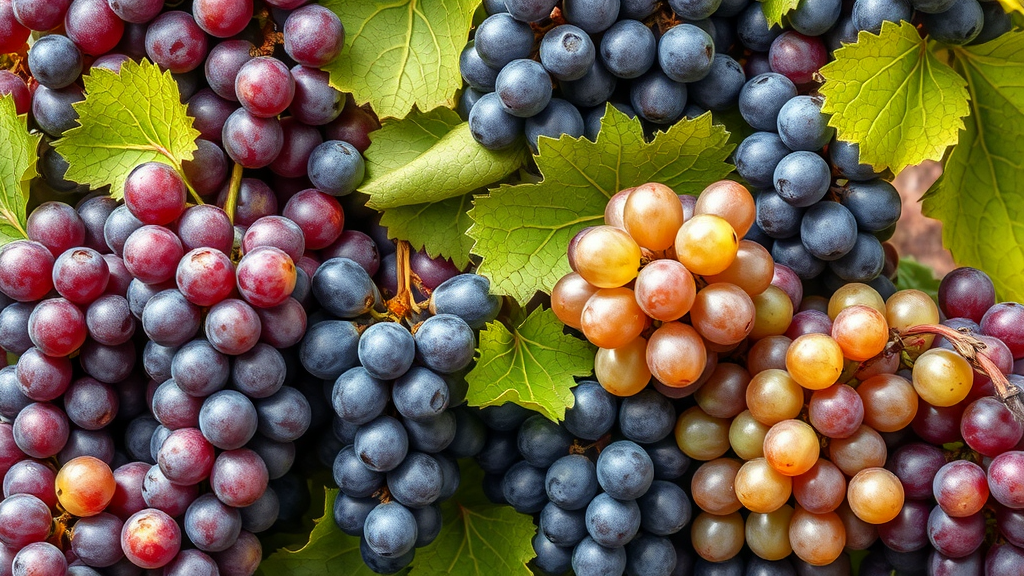
When it comes to wine, the type of grape used can make all the difference in the flavor, aroma, and overall experience. There are hundreds of grape varieties used in winemaking around the world, each with its own unique characteristics. Let’s dive into some of the most popular types of wine grapes and explore what makes them special.
1. Cabernet Sauvignon
Cabernet Sauvignon is one of the most widely recognized red wine grapes. Known for its bold and robust flavors, it often features notes of blackcurrant, dark cherry, and sometimes even green bell pepper. This grape thrives in cooler climates and is commonly found in regions like Bordeaux, Napa Valley, and Coonawarra. It’s a favorite among wine enthusiasts for its ability to age gracefully, developing complex flavors over time.
2. Pinot Noir
Pinot Noir is a delicate and nuanced grape that produces wines with a lighter body compared to Cabernet Sauvignon. This variety is known for its versatility, capable of producing everything from light, fruity wines to more complex, earthy ones. It’s often associated with regions like Burgundy, Oregon, and New Zealand. Pinot Noir is celebrated for its aromas of red fruits like cherries and raspberries, along with hints of vanilla and spice.
3. Chardonnay
Chardonnay is a versatile white grape that can adapt to various winemaking techniques. Depending on where it’s grown and how it’s handled, Chardonnay can range from crisp and refreshing to rich and buttery. Commonly found in regions like Burgundy, California, and Australia, this grape is known for its flavors of apple, pear, and tropical fruits, often complemented by notes of oak when aged in barrels.
4. Syrah (Shiraz)
Syrah, known as Shiraz in Australia, is a bold and spicy red grape. It’s famous for its deep color, high tannins, and intense flavors of blackberry, plum, and pepper. This grape thrives in warm climates, making regions like Rhône Valley, Barossa Valley, and Paso Robles ideal for cultivation. Syrah/Shiraz wines often exhibit a peppery finish and can be enjoyed young or aged.
5. Riesling
Riesling is a white grape that is particularly known for its ability to showcase terroir, meaning the unique characteristics of the place where it’s grown. This grape can produce wines ranging from bone-dry to lusciously sweet. Commonly found in Germany, Alsace, and Washington State, Riesling is celebrated for its floral and citrusy aromas, with flavors of lime, peach, and apricot. Its acidity makes it a great pairing with spicy foods.
6. Merlot
Made famous by the movie “Sideways,” Merlot is a soft and approachable red grape. It typically offers flavors of plums, cherries, and chocolate, with a smooth and velvety texture. Merlot is widely planted in Bordeaux, Napa Valley, and Chile. This grape is often blended with other varieties like Cabernet Sauvignon to balance out the harsher tannins and add a softer edge to the wine.
7. Sauvignon Blanc
Sauvignon Blanc is a white grape that is known for its fresh, zesty character. It often exhibits flavors of citrus, green apple, and grassy notes. This grape thrives in cooler climates and is a staple in regions like the Loire Valley, New Zealand, and California. Sauvignon Blanc is appreciated for its crispness and refreshing qualities, making it a perfect match for seafood and salads.
8. Sangiovese
Sangiovese is a red grape that is the backbone of many Italian wines, including Chianti and Brunello di Montalcino. This grape is characterized by its medium body and bright acidity, with flavors of red cherry, tomato leaf, and a hint of earthiness. Sangiovese is primarily grown in Tuscany and Umbria, where it thrives in the Mediterranean climate. Its high acidity makes it a versatile food pairing option.
9. Zinfandel
Zinfandel is a red grape that is closely associated with California, although it originally hails from Croatia. Known for its bold and jammy flavors, Zinfandel can produce wines with a wide range of alcohol levels. It’s often described as having flavors of blackberry, raspberry, and spices like cinnamon and clove. Zinfandel is best enjoyed young and is a popular choice for casual sipping and barbecue pairings.
10. Gewürztraminer
Gewürztraminer is a white grape that is known for its aromatic intensity. This grape produces wines with distinctive floral and lychee aromas, along with flavors of pineapple, mango, and ginger. Gewürztraminer is commonly grown in Alsace, Germany, and Canada. Its unique character makes it a standout in the world of white wines, especially when paired with spicy Asian cuisine.
Each of these grape varieties brings its own unique set of flavors, aromas, and textures to the world of wine. Whether you prefer a bold red or a crisp white, there’s a grape out there that can satisfy your palate. Exploring these different types of wine grapes can open up a whole new world of flavors and experiences, making every sip a delightful journey.
When it comes to cultivating wine grapes, climate plays a crucial role in determining the quality and character of the resulting wines. Each grape variety thrives under specific climatic conditions, which can significantly influence its flavor profile, acidity levels, and overall ripeness. Understanding how climate impacts different wine grape varieties is essential for both winemakers and enthusiasts alike.
Let’s start with cool-climate grapes. These varieties are best suited for regions with lower temperatures and shorter growing seasons. Cool climates often result in higher acidity and lighter-bodied wines. One of the most popular cool-climate grapes is Pinot Noir, which is known for its delicate flavors and bright acidity. Pinot Noir thrives in areas like Burgundy, Oregon, and New Zealand, where the cooler temperatures help maintain the grape’s natural acidity while allowing for nuanced flavors to develop.
Riesling is another classic example of a cool-climate grape. Originating from Germany, Riesling excels in cooler regions, producing wines that range from bone-dry to lusciously sweet. The cooler temperatures allow the grape to retain high levels of acidity, which is balanced by natural sugar levels, resulting in wines that are both refreshing and complex. Regions like the Mosel and Rheingau in Germany, as well as Alsace in France, are renowned for their exceptional Rieslings.
Moving on to warm-climate grapes, these varieties thrive in regions with longer growing seasons and higher temperatures. Warm climates typically lead to riper grapes with higher sugar levels, resulting in fuller-bodied wines with richer flavors and softer acidity. Cabernet Sauvignon is a prime example of a warm-climate grape. It flourishes in regions like Napa Valley, Bordeaux, and Coonawarra, where the extended growing season allows the grapes to achieve full ripeness. This results in wines with robust tannins, deep color, and intense fruit flavors.
Syrah (or Shiraz) is another grape that thrives in warmer climates. Known for its spicy and peppery notes, Syrah is a favorite in regions like the Rhône Valley, Barossa Valley, and Washington State. The warmer temperatures help to develop the grape’s characteristic boldness and complexity, producing wines that are rich, full-bodied, and often packed with dark fruit flavors.
We have hot-climate grapes, which are best suited for regions with extremely high temperatures and very long growing seasons. These conditions can lead to even higher sugar levels and more concentrated flavors. Grenache is a popular hot-climate grape, known for its ability to produce wines with high alcohol content and low acidity. Grenache thrives in regions like the Southern Rhône, Priorat, and parts of Australia, where the intense heat helps to develop the grape’s natural sweetness and full-bodied character.
Zinfandel is another grape that performs exceptionally well in hot climates. Originally from Croatia, Zinfandel has found its home in California, where the long, hot growing seasons contribute to its jammy, fruit-forward profile. The high temperatures allow the grapes to achieve optimal ripeness, resulting in wines with rich berry flavors and a smooth, velvety texture.
To summarize, understanding the impact of climate on different wine grape varieties is essential for appreciating the diverse range of wines available. Cool climates yield grapes with higher acidity and lighter body, warm climates produce fuller-bodied wines with richer flavors, and hot climates result in highly concentrated, full-bodied wines with intense flavors. By recognizing these differences, both winemakers and consumers can better appreciate the nuances that each climate brings to the world of wine.
Table: Key Characteristics of Wine Grapes by Climate Type
| Climate Type | Popular Grape Varieties | Characteristics |
|---|---|---|
| Cool | Pinot Noir, Riesling | Higher acidity, lighter body, nuanced flavors |
| Warm | Cabernet Sauvignon, Syrah | Richer flavors, softer acidity, full-bodied |
| Hot | Grenache, Zinfandel | Concentrated flavors, high alcohol content, full-bodied |
By exploring how climate influences different wine grape varieties, you can gain a deeper appreciation for the complexities and nuances that go into crafting each bottle of wine. Whether you prefer crisp whites or robust reds, understanding the impact of climate can enhance your enjoyment and knowledge of the wines you love.
The role of wine grapes in defining regional wines is a fascinating aspect of viticulture and winemaking. Different grape varieties thrive in distinct environments, which can significantly impact the flavor, aroma, and overall character of the wine. Understanding these relationships helps us appreciate why certain regions are renowned for specific types of wine.
Let’s start with Bordeaux, a region in France known for its classic blends. Bordeaux is famous for its red wines made primarily from Cabernet Sauvignon, Merlot, and Cabernet Franc. These grapes are well-suited to the region’s maritime climate, which provides a balance between warmth and coolness. The combination of these varietals results in wines that are structured, balanced, and capable of aging gracefully. White Bordeaux wines, on the other hand, are typically crafted from Sauvignon Blanc and Sémillon, producing crisp, aromatic whites that pair beautifully with seafood.
Moving to Tuscany in Italy, we find Sangiovese as the dominant grape variety. This hearty red grape is the backbone of Chianti, Brunello di Montalcino, and Vino Nobile di Montepulciano. Sangiovese thrives in Tuscany’s warm, dry summers and cool nights, allowing it to develop complex flavors and high acidity. The result is wines that are rich in fruit, with firm tannins and a distinctive earthiness that speaks to the terroir. Other local varieties like Canaiolo Nero and Colorino contribute to the blend, adding depth and complexity.
In the Rhône Valley of France, Syrah (known as Shiraz outside Europe) reigns supreme in the northern part, while Grenache, Syrah, and Mourvèdre are the stars in the south. The northern Rhône is characterized by steep, rocky hillsides and a cooler climate, which allows Syrah to reach its full potential, producing wines that are dark, spicy, and full of flavor. In contrast, the southern Rhône benefits from a warmer climate and a mix of Mediterranean influences, resulting in robust, fruity wines that are often blended to achieve balance and complexity.
Spain offers a unique perspective with its emphasis on Tempranillo. This versatile red grape is the foundation of Rioja and Ribera del Duero, two of Spain’s most celebrated wine regions. Tempranillo thrives in the varied climates of these areas, from the cooler Rioja to the warmer Ribera del Duero. The result is a range of styles, from light and fruity to deep and full-bodied, often aged in oak barrels to develop a rich, complex profile. Other Spanish varieties like Garnacha (Grenache) and Monastrell (Mourvèdre) also play significant roles in defining regional wines.
California’s Napa Valley is another prime example, where Cabernet Sauvignon takes center stage. The warm, sunny climate and diverse soils of Napa Valley allow Cabernet Sauvignon to express itself in a myriad of ways. From bold, full-bodied wines to more nuanced expressions, Napa Cabernets are known for their depth of flavor and concentration. Other grapes like Merlot, Zinfandel, and Pinot Noir also contribute to the region’s rich tapestry of wines, each adding its own unique character.
When it comes to New Zealand, Sauvignon Blanc is the grape that put the country on the global wine map. The cool climate of Marlborough, particularly, has proven ideal for this varietal, producing wines that are vibrant, fresh, and bursting with citrus and tropical fruit flavors. The success of Sauvignon Blanc has led to a diversification in New Zealand’s wine industry, with varieties like Pinot Noir gaining traction in cooler regions like Central Otago.
Let’s explore Piemonte in Italy, home to Nebbiolo. This noble grape is the star of Barolo and Barbaresco, two of the world’s most prestigious wines. Nebbiolo requires a long growing season and can be challenging to cultivate, but when done right, it produces wines of incredible elegance and complexity. These wines are known for their intense aromas of roses, tar, and truffles, along with a powerful structure and the ability to age for decades. Barbera and Dolcetto are also important local varieties, adding to the regional diversity.
The role of wine grapes in defining regional wines is a testament to the intricate relationship between terroir and varietal. Each grape variety brings its own set of characteristics, and when combined with the unique conditions of a particular region, the result is a wine that is truly representative of its place of origin. Whether it’s the robust reds of Tuscany, the elegant Nebbiolos of Piemonte, or the zesty Sauvignon Blancs of New Zealand, understanding these connections enhances our appreciation of the diverse world of wine.
Exploring the world of wine through the lens of regional grapes not only enriches our tasting experiences but also deepens our connection to the land and culture behind each bottle. So next time you sip a glass of wine, take a moment to consider the journey that brought those grapes from the vine to your glass. It’s a journey that tells a story of soil, climate, and tradition, making each sip a little piece of history.
Exploring the world of wine can be a delightful journey, especially when you delve into lesser-known wine grapes that are gaining popularity. These unique varieties offer distinctive flavors and aromas, setting them apart from more mainstream grapes like Cabernet Sauvignon and Chardonnay. Whether you’re a seasoned wine enthusiast or a curious newcomer, these lesser-known grapes can add a new dimension to your tasting experience.
1. Teroldeño
Taking center stage in California and Spain, Teroldeño is a blend of two grape varieties: Teroldego and Carignan. This intriguing combination creates a wine with robust tannins and a rich, dark fruit profile. It’s often described as having notes of blackberry, plum, and a hint of spice. The blend is perfect for those who enjoy a full-bodied red with complexity and depth.
2. Vermentino
Originally from the Mediterranean regions of Italy, Vermentino has found a new home in coastal areas of the United States, particularly in California and Oregon. This white grape variety is known for its crisp acidity and bright citrus notes, making it a refreshing choice. It often exhibits flavors of lemon zest, green apple, and a touch of minerality, which pairs wonderfully with seafood and light pasta dishes.
3. Assyrtiko
Hailing from the volcanic soils of Santorini, Greece, Assyrtiko is a white grape variety that thrives in hot climates. This grape is renowned for its ability to maintain high acidity even in warm conditions, resulting in wines that are both refreshing and complex. Assyrtiko typically offers flavors of stone fruits, citrus, and a distinct saline note that reflects its origins. It’s an excellent choice for those looking to explore the unique terroir of Greece.
4. Touriga Nacional
Primarily grown in Portugal, Touriga Nacional is gaining recognition for its potential in the international wine scene. This red grape variety is known for its deep color, firm tannins, and intense flavor profile. Touriga Nacional often showcases notes of dark berries, violets, and a hint of eucalyptus. It’s a versatile grape that can be enjoyed young or aged, making it a favorite among winemakers and enthusiasts alike.
5. Albariño
Originating from Galicia, Spain, Albariño is a white grape that has become increasingly popular in the United States. This variety is celebrated for its aromatic qualities and crisp, refreshing taste. Albariño typically presents flavors of peach, apricot, and a subtle floral aroma. Its high acidity makes it an ideal match for spicy foods and seafood, enhancing the dining experience with its zesty character.
6. Lagrein
Lagrein is a red grape variety native to the Trentino-Alto Adige region of northern Italy. This grape produces wines with a deep garnet color and a complex flavor profile that includes notes of dark cherries, plums, and a slight bitterness reminiscent of chocolate. Lagrein is often used in blends but also shines as a single varietal wine, offering a unique drinking experience that is both robust and elegant.
7. Tannat
Originally from the Basque country and now widely planted in Uruguay, Tannat is a bold and powerful red grape. Known for its high tannin content and dark fruit flavors, Tannat can be quite aggressive when young but mellows beautifully with age. It often displays flavors of blackberry, blueberry, and a savory, earthy undertone. Tannat is a great choice for those who enjoy deeply structured wines with a strong personality.
8. Godello
Godello is a white grape variety that originates from Galicia, Spain, but has gained traction in other regions due to its versatility. This grape produces wines that are both fresh and complex, with flavors of green apples, citrus, and a touch of minerality. Godello is known for its ability to retain acidity even in warmer climates, making it a refreshing and adaptable choice for various food pairings.
9. Graciano
Commonly found in Rioja, Spain, Graciano is a red grape that adds elegance and finesse to blends. It is often used as a supporting grape due to its high acidity and aromatic qualities. Graciano typically exhibits flavors of red berries, spices, and a subtle herbal note. Its delicate structure makes it an excellent companion to more robust grape varieties, contributing balance and nuance to the final blend.
10. Xinomavro
Xinomavro is a red grape variety from Macedonia, Greece, that is slowly gaining recognition worldwide. Known for its ability to age gracefully, Xinomavro offers a complex and evolving flavor profile that includes notes of black olives, tomato leaf, and a hint of spice. As it ages, it develops tertiary flavors of leather and tobacco, making it a fascinating choice for wine enthusiasts who appreciate the nuances of aging.
As these lesser-known wine grapes continue to gain popularity, they offer wine lovers a chance to explore new territories and discover unique flavors. Whether you prefer whites or reds, there’s a lesser-known grape out there waiting to captivate your palate. Embrace the adventure and let these lesser-known varieties expand your horizons in the world of wine.
Wine has been a cornerstone of human culture for thousands of years, evolving alongside civilization itself. From ancient vineyards to modern wineries, the journey of wine grapes has been nothing short of remarkable. In the realm of viticulture, the evolution of wine grapes reflects advancements in technology, changes in consumer preferences, and a deeper understanding of terroir. Let’s explore how these humble berries have transformed over time, shaping the wines we enjoy today.
Historically, wine grapes were primarily cultivated in regions like the Middle East, Europe, and Asia. Early viticulturists relied on indigenous varieties that thrived in their local environments. These early grape varieties were often hearty and resistant to local pests and diseases. As trade routes expanded, so did the reach of these grapes, leading to the introduction of new varieties in distant lands. This cross-pollination of grape genetics laid the groundwork for the diverse array of wine grapes we see today.
One of the most significant milestones in the evolution of wine grapes came with the advent of grafting. Before the mid-19th century, European vineyards were plagued by phylloxera, a destructive insect that devastated many vineyards. The solution came in the form of grafting European vines onto American rootstocks, which were naturally resistant to phylloxera. This innovation not only saved countless vineyards but also paved the way for a more robust and resilient wine industry.
As viticulturists began to understand the nuances of grape genetics, clonal selection became increasingly important. This process involves identifying and propagating individual vines within a variety that exhibit desirable traits such as disease resistance, higher yields, and superior flavor profiles. For instance, the Chardonnay grape has seen numerous clones developed, each offering distinct characteristics. Clonal selection has allowed winemakers to tailor their grape choices to specific terroirs, enhancing the expression of regional flavors in their wines.
Modern genetic research has further revolutionized the field of viticulture. Scientists can now map the DNA of grapevines, allowing them to identify genes responsible for specific traits. This knowledge has led to the development of new grape varieties that are better suited to changing climates and consumer demands. For example, some newly developed grapes are bred to withstand hotter temperatures, a crucial adaptation in the face of global warming. Additionally, genetic research has helped breeders create grapes with improved resistance to common diseases, reducing the need for chemical treatments and promoting sustainable farming practices.
Terroir, the unique combination of soil, climate, and topography where grapes are grown, plays a critical role in the evolution of wine grapes. Over centuries, certain grape varieties have adapted to specific terroirs, developing unique characteristics that reflect their environment. For example, Pinot Noir thrives in cooler climates and is known for its delicate flavors and aromas, while Syrah (or Shiraz) flourishes in warmer regions and produces bold, spicy wines. Understanding and leveraging terroir has become a key strategy for winemakers aiming to produce high-quality, distinctive wines.
Consumer preferences have also driven the evolution of wine grapes. As tastes have shifted towards lighter, fruitier wines, varieties like Gamay and Grenache have gained popularity. Conversely, there has been a resurgence of interest in traditional and heritage varieties, driven by a growing appreciation for regional authenticity and the complexity these grapes bring to wines. Winemakers are increasingly experimenting with lesser-known grapes, blending them to create unique and innovative blends that capture the essence of their terroir.
Moreover, the global wine market has seen a trend towards sustainability and organic farming. Many winemakers are turning to older, heirloom grape varieties that are naturally more resistant to pests and diseases, thereby reducing the need for chemical interventions. These grapes often require less water and can thrive in marginal soils, making them ideal for sustainable viticulture practices. By embracing these older varieties, winemakers are not only contributing to environmental conservation but also preserving the rich biodiversity of wine grapes.
Another notable trend is the rise of single-vineyard wines. These wines showcase the unique characteristics of a specific plot of land, highlighting the influence of terroir on the final product. Single-vineyard wines often feature older grape varieties that may not be as commercially viable but offer exceptional quality and distinctiveness. This trend underscores the growing appreciation for the intrinsic qualities of individual vineyards and the grapes that grow there.
The evolution of wine grapes is closely tied to technological advancements in winemaking. Innovations in fermentation techniques, barrel aging, and bottling processes have allowed winemakers to extract the best possible flavors from their grapes. For example, temperature-controlled fermentation tanks enable precise control over the fermentation process, ensuring consistent quality across batches. Similarly, advancements in oak barrel production have led to more nuanced flavors and aromas in aged wines.
The evolution of wine grapes in modern viticulture is a testament to human ingenuity and our deep connection to the land. From the resilience shown by grafting techniques to the precision of genetic research, each step in this journey has contributed to the rich tapestry of wines available today. As we continue to navigate the challenges of a changing world, the adaptability and diversity of wine grapes ensure that this ancient tradition will remain vibrant and ever-evolving.
Understanding the diverse world of wine grapes opens up a rich tapestry of flavors, aromas, and experiences. Each grape variety, shaped by its unique characteristics and influenced by climate, contributes to the distinctive profiles of regional wines. As modern viticulture continues to evolve, lesser-known grapes are gaining recognition, adding new dimensions to the global wine landscape. Whether you’re savoring a classic Cabernet Sauvignon or exploring the nuances of a less familiar variety, every sip tells a story rooted in tradition and innovation. Embrace the journey through the world of wine grapes, and let each glass enrich your appreciation of this timeless beverage.
